Glass Skin and Water Gel Injection Guide for Foreign Patients in Korea
Explore the science and process behind Korea's renowned glass skin aesthetic and water gel injection treatments. A comprehensive guide for international patients considering advanced dermatological care in Seoul.
Understanding the Glass Skin Phenomenon in Korean Dermatology
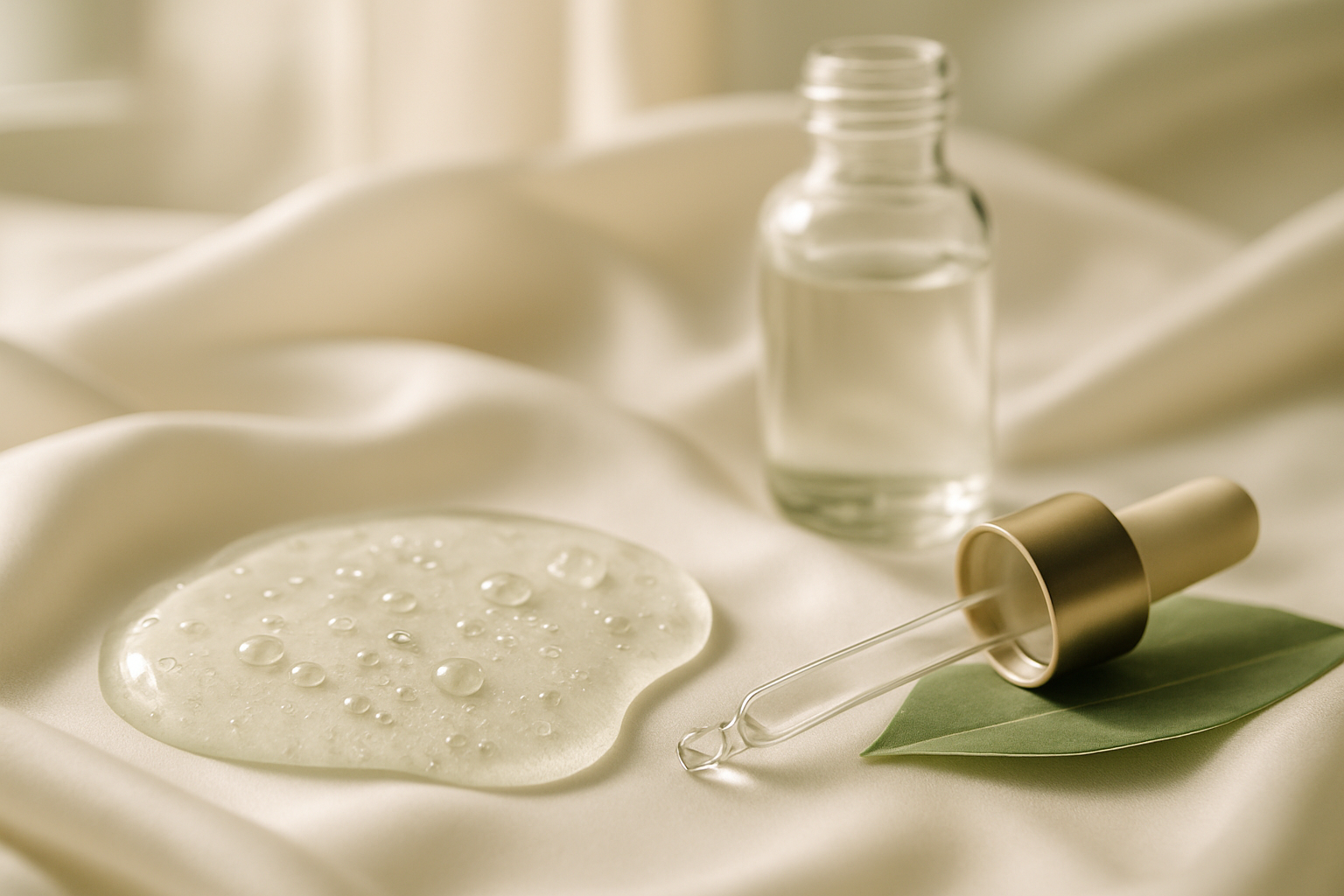
The "glass skin" aesthetic has become a defining hallmark of Korean beauty culture, representing a complexion so luminous and translucent that it resembles polished glass. This concept emerged from Korea's longstanding emphasis on skincare as a foundation for beauty, where healthy, radiant skin takes precedence over heavy makeup coverage. The phenomenon reflects deeper cultural values that associate clear, dewy skin with youth, vitality, and meticulous self-care.
From a dermatological perspective, glass skin is achieved through optimizing three interconnected skin properties: hydration levels in the stratum corneum, surface texture uniformity, and the skin's ability to reflect light evenly. When the outermost skin layers maintain optimal moisture content, they become more translucent and plump, reducing the appearance of fine lines and creating that characteristic "lit-from-within" glow. Smooth skin texture—free from roughness, enlarged pores, or uneven tone—allows light to bounce uniformly rather than scatter, enhancing the glass-like effect.
This approach differs markedly from traditional Western skincare philosophies, which historically focused more on anti-aging interventions and targeted problem-solving. Korean dermatology emphasizes prevention and maintenance through consistent hydration, barrier protection, and gentle exfoliation to refine texture over time. The philosophy treats skin health as cumulative, where daily attention to moisture retention and barrier function creates the foundation for luminosity.
Achieving this aesthetic typically involves addressing multiple skin layers simultaneously—ensuring adequate dermal hydration, maintaining a healthy lipid barrier, and refining the surface through various treatment modalities available at clinics (dermatology, plastic surgery, dentistry, ophthalmology, etc.). For foreign patients interested in this approach, a consultation can help identify which combination of treatments aligns with individual skin characteristics and goals.
Water Gel Injection Technology and Composition
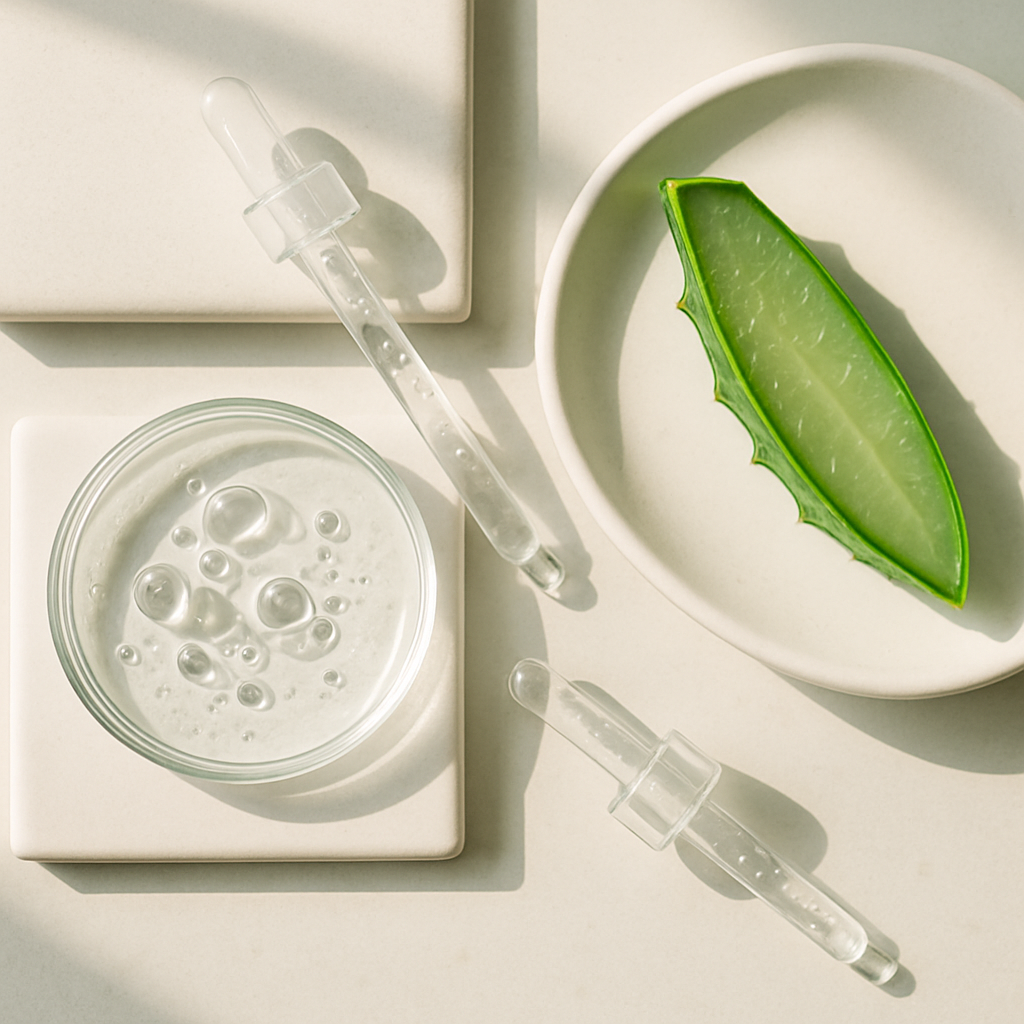
Water gel injections used across Korean clinics (dermatology, plastic surgery, dentistry, ophthalmology, etc.) typically rely on highly purified hyaluronic acid (HA) as the primary active compound. Hyaluronic acid is a naturally occurring glycosaminoglycan found in human connective tissue, known for its exceptional ability to bind and retain water molecules—up to 1,000 times its weight in moisture. This biocompatibility makes HA-based formulations well-tolerated by the body, with minimal risk of adverse immune responses when properly manufactured and administered.
The molecular architecture of these injectables varies significantly based on cross-linking technology and molecular weight profiles. Non-cross-linked HA formulations feature lower molecular weights and offer rapid hydration with shorter duration, as they are metabolized more quickly by the body's natural hyaluronidase enzymes. Cross-linked variants employ chemical bonding techniques to create a stabilized gel matrix, extending longevity and providing structural support within the dermal layers. Korean manufacturers have developed proprietary cross-linking methods that balance viscosity, elasticity, and biodegradation rates to optimize tissue integration.
At the dermal level, these hydrators work by occupying intercellular spaces and attracting ambient moisture from surrounding tissues and the circulatory system. This process creates a plumping effect, improves skin turgor, and enhances the microenvironment for collagen synthesis. The injection depth—whether superficial dermal, mid-dermal, or deep dermal—determines the aesthetic outcome and duration of effect.
Absorption rates depend on multiple variables including molecular weight, degree of cross-linking, injection site vascularity, and individual metabolic factors. A free consultation with qualified practitioners can help determine which formulation and technique align with your skin goals and physiological characteristics.
The Consultation and Assessment Process for International Patients
When foreign patients arrive for their initial consultation, Korean medical facilities typically begin with a comprehensive skin analysis using advanced diagnostic technology. High-resolution imaging systems, moisture meters, and sebum analyzers provide objective data about skin condition, hydration levels, elasticity, and underlying concerns that may not be visible to the naked eye. This technology-driven approach allows practitioners to assess candidacy for glass skin treatments or water gel injections based on measurable criteria rather than subjective observation alone.
During the consultation, practitioners conduct a detailed review of medical history, including any previous cosmetic procedures, allergies, medications, and underlying health conditions. This step is particularly important for international patients, as certain treatments may interact with medications or conditions that require disclosure. Patients should prepare documentation of their medical background, preferably translated into Korean or English, to facilitate accurate communication.
The discussion of individual concerns and aesthetic goals forms the core of the consultation process. Practitioners at clinics (dermatology, plastic surgery, dentistry, ophthalmology, etc.) will ask patients to describe their desired outcomes and explain what "glass skin" means to them personally, as cultural interpretations of beauty ideals can vary. This dialogue helps establish realistic expectations—an essential component of patient satisfaction.
Based on the assessment, practitioners develop a personalized treatment approach that considers skin type, lifestyle factors, budget constraints, and the patient's timeline. They will explain the proposed treatment sequence, expected recovery period, and maintenance requirements. International patients benefit from requesting this information in writing, including any pre-treatment preparation and post-treatment care instructions.
The consultation should include a transparent discussion of what results are achievable and what limitations exist. Reputable facilities encourage patients to ask questions, request a second opinion if desired, and take time to consider their options before proceeding. Mediport can arrange complimentary consultations with multiple facilities to help patients make informed decisions.

Treatment Protocols and What to Expect During Sessions
Korean clinics typically begin with a detailed skin consultation, where practitioners assess hydration levels, elasticity, and individual skin concerns. This initial evaluation helps determine the appropriate injection depth, product selection, and treatment density for your specific skin type and goals.
Before the session, the treatment area is thoroughly cleansed and a topical anesthetic cream is applied for approximately 20–30 minutes to ensure comfort. Many clinics use advanced cooling devices or vibration tools during injection to further minimize discomfort. The actual injection process involves precise placement of hyaluronic acid-based gels into the dermal layers using fine-gauge needles or micro-cannulas, depending on the technique and treatment area.
Practitioners typically employ systematic injection patterns across the face, focusing on areas requiring enhanced hydration and luminosity. The micro-droplet technique, commonly used for water gel treatments, involves placing small amounts of product at regular intervals throughout the skin. Sessions generally last 30–60 minutes, including preparation and post-treatment care instructions.
Immediately following treatment, you may notice slight redness, minor swelling, or small injection marks that typically resolve within 24–48 hours. Many patients observe an initial glow from improved hydration, though optimal results develop gradually as the hyaluronic acid attracts moisture and integrates with your skin tissue over the following weeks.
Korean practitioners often recommend complementary approaches alongside injections, such as professional skincare treatments, targeted serums, or lifestyle adjustments to support skin hydration. Clinics (dermatology, plastic surgery, etc.) may suggest personalized maintenance schedules based on your skin's response and aesthetic objectives.
A free consultation with qualified practitioners can provide detailed information about treatment protocols suited to your individual needs and help establish realistic expectations for your skin health journey.
Recovery, Aftercare, and Timeline Considerations
Recovery from water gel injections and glass skin treatments is typically straightforward, though individual experiences vary based on skin type, treatment intensity, and the specific substances used. Most patients notice mild redness, slight swelling, or pinpoint injection marks immediately after the procedure, which generally subside within several hours to two days. Applying cold compresses intermittently during the first 24 hours can help minimize swelling and soothe the skin.
Practitioners usually advise avoiding strenuous exercise, saunas, hot baths, and direct sun exposure for at least 48 hours post-treatment. Alcohol consumption may also be discouraged during the initial recovery period, as it can increase inflammation and delay healing. Gentle cleansing with lukewarm water and a mild, fragrance-free cleanser is recommended, while exfoliating products, retinoids, and active acids should be paused for several days to prevent irritation.
Hydration remains central to aftercare. Patients are encouraged to apply lightweight, non-comedogenic moisturizers and broad-spectrum sunscreen daily to protect the treated area and support the skin's barrier function. Some clinics provide post-treatment sheet masks or specialized serums to enhance hydration during the recovery phase.
Visible improvements in skin texture, luminosity, and hydration often emerge within one to two weeks, though full effects may develop gradually over four to six weeks as the skin responds to the hydrating agents. Results are not permanent; maintenance sessions are typically scheduled every few months, depending on individual skin characteristics and goals.
Follow-up consultations allow practitioners to assess progress, address any concerns, and adjust future treatment plans. Adhering to personalized aftercare instructions and maintaining a consistent skincare routine are essential for optimizing outcomes and supporting long-term skin health. A free consultation can clarify recovery expectations and tailor aftercare protocols to your specific needs.
Planning Your Medical Travel to Korea: Practical Logistics
Planning a medical travel journey to Korea requires thoughtful coordination of clinical appointments, recovery time, and logistical arrangements. International patients typically allocate 7 to 14 days for skin treatments like glass skin or water gel procedures, allowing for initial consultations, treatment sessions, and necessary follow-up appointments. More complex or combination treatments may warrant extended stays.
Scheduling your visit involves coordinating consultation availability with your travel dates. Medical concierge platforms facilitate appointment booking across multiple clinics (dermatology, plastic surgery, dentistry, ophthalmology, etc.) and provide comprehensive language support through professional medical interpreters. These services ensure clear communication during consultations, consent processes, and post-treatment instructions—eliminating language barriers that might otherwise complicate care.
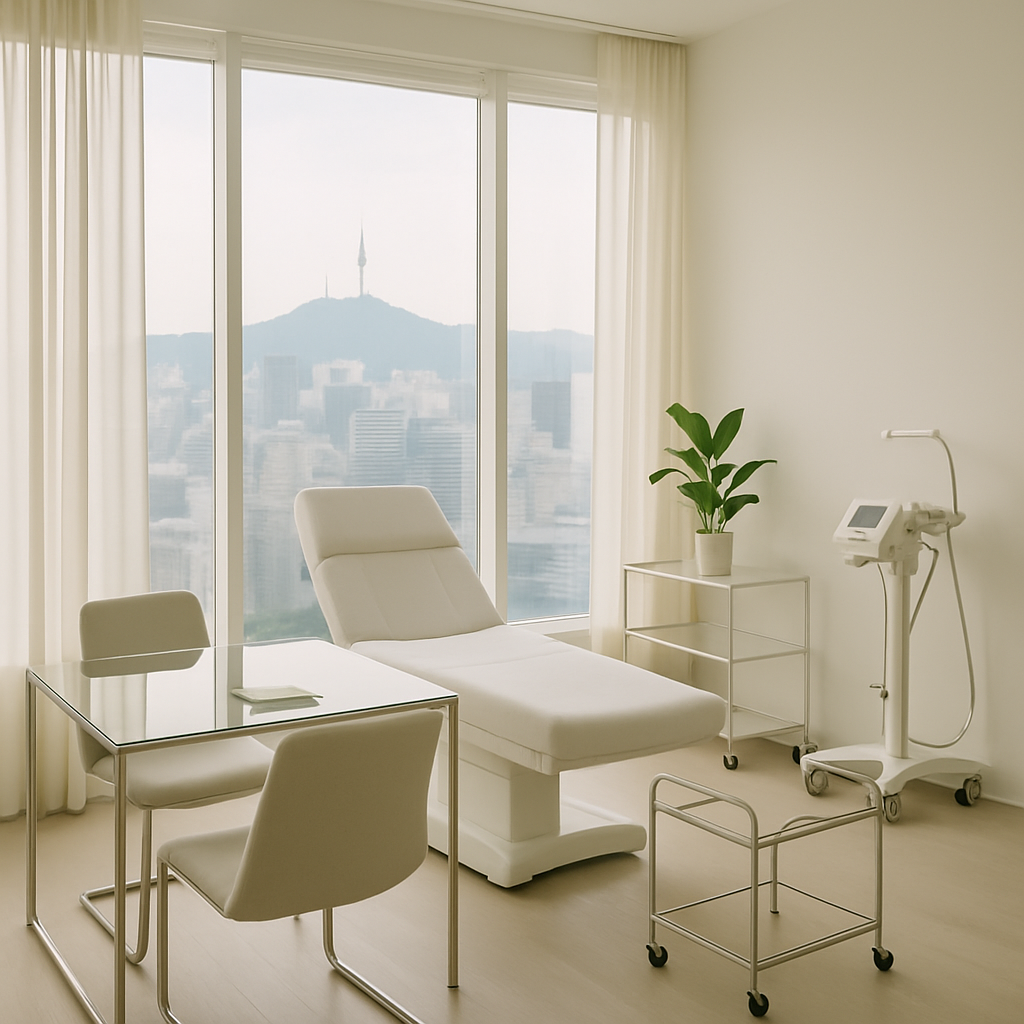
Accommodation proximity significantly impacts convenience and recovery comfort. Seoul's Gangnam, Apgujeong, and Sinsa districts concentrate numerous medical facilities within walkable distances or short taxi rides. Selecting hotels or serviced residences in these medical corridors minimizes travel fatigue between appointments. Many concierge services offer accommodation recommendations tailored to your treatment schedule and budget preferences.
Transportation within Seoul proves remarkably accessible through the extensive subway system, taxi services, and ride-hailing apps with English interfaces. Medical districts maintain excellent public transit connectivity, though immediate post-treatment days may warrant private transportation for comfort.
Balancing treatment and tourism requires realistic scheduling. Plan intensive sightseeing before procedures rather than during recovery periods. Light activities like visiting cafés, shopping districts, or gentle cultural experiences can complement healing phases without compromising treatment outcomes. Concierge coordinators help structure itineraries that respect both medical protocols and your desire to experience Korean culture, ensuring your journey combines effective care with memorable experiences.
Safety Standards and Regulatory Framework in Korean Dermatology
Korea maintains one of Asia's most rigorous medical regulatory frameworks, overseen by the Ministry of Health and Welfare and the Korea Medical Dispute Mediation and Arbitration Agency. All dermatological procedures, including glass skin treatments and water gel injections, must be performed by licensed physicians who have completed accredited medical training and hold valid practice certificates subject to regular renewal and continuing education requirements.
Medical facilities offering aesthetic procedures undergo mandatory accreditation reviews that assess sterilization protocols, equipment maintenance standards, emergency response capabilities, and staff qualifications. The Korea Institute of Healthcare Accreditation conducts periodic inspections, and clinics (dermatology, plastic surgery, dentistry, ophthalmology, etc.) serving international patients must meet additional language support and informed consent documentation standards.
Injectable products used in glass skin and water gel treatments require approval from the Ministry of Food and Drug Safety, which evaluates clinical trial data, manufacturing processes, and long-term safety profiles before granting market authorization. Only certified products may be legally administered, and facilities must maintain traceable records of all substances used in patient care.
For international patients, verification begins with confirming a practitioner's medical license through the Korean Medical Association's public registry. Reputable consultation services provide transparent information about facility accreditation status, practitioner credentials, and the specific approved products proposed for treatment. During initial consultations, patients should receive detailed explanations of potential risks, expected recovery timelines, and realistic outcomes based on individual skin characteristics.
The regulatory framework emphasizes informed consent, requiring written documentation in the patient's preferred language and adequate time for decision-making. International patient coordinators facilitate communication between medical staff and patients, ensuring comprehensive understanding of all procedural aspects before treatment authorization.
Cost Considerations and Value Factors for Foreign Patients
Korean dermatological care operates within a competitive yet regulated pricing environment, where treatment costs reflect multiple value factors beyond the procedure itself. Foreign patients benefit from transparent pricing structures that typically bundle consultation, treatment, and immediate post-care within quoted fees. Understanding these components helps evaluate the genuine value proposition.
Treatment costs vary based on several measurable factors:
- Product quality and volume: Medical-grade hyaluronic acid formulations, depth of injection layers, and total product volume directly influence pricing
- Practitioner expertise: Clinics staffed by board-certified dermatologists or plastic surgeons with specialized training in aesthetic procedures may command premium fees reflecting their technical skill
- Facility standards: Advanced equipment, sterile environments meeting international healthcare accreditation standards, and comprehensive patient monitoring systems represent infrastructure investments reflected in service fees
- Customization complexity: Tailored treatment plans addressing multiple skin concerns simultaneously require extended consultation time and nuanced technique application
Most quoted prices for foreign patients include the procedure itself, immediate post-treatment care products, and follow-up assessment within a specified timeframe. Clarify during your free consultation whether additional costs apply for anesthesia, specialized aftercare products, or subsequent touch-up sessions.
Payment flexibility accommodates international patients through multiple channels: major credit cards (Visa, Mastercard), international wire transfers, and increasingly, digital payment platforms. Some clinics offer transparent installment options for comprehensive treatment packages.
Evaluating value requires looking beyond initial price comparisons. Consider the clinic's communication support in your language, accessibility for follow-up care coordination from abroad, provision of detailed treatment records for your home physician, and responsiveness to post-treatment questions. Comprehensive free consultations should provide itemized cost breakdowns, enabling informed decisions about your dermatological care investment in Korea's advanced aesthetic medicine landscape.
Frequently asked questions
- Q. How long should I plan to stay in Korea for water gel injection treatments?
- A. The recommended duration varies based on individual treatment plans developed during consultation. Many international patients schedule initial consultations and treatments within a 3-7 day visit, though some protocols may benefit from longer stays or planned follow-up visits. A free consultation with medical concierge services can help you plan an appropriate timeline based on your specific situation and travel constraints.
- Q. Are water gel injections suitable for all skin types and ages?
- A. Suitability depends on multiple individual factors including skin condition, medical history, and personal goals. Korean clinics (dermatology, plastic surgery, dentistry, ophthalmology, etc.) conduct thorough assessments during consultations to determine appropriate treatment options for each patient. Practitioners evaluate factors such as skin health, hydration levels, and individual characteristics before recommending any approach.
- Q. What makes Korean approaches to skin hydration treatments distinctive?
- A. Korean dermatological practice often emphasizes comprehensive skin health assessment, combining advanced injection technologies with holistic skin care philosophies. The approach typically involves detailed analysis, customized treatment protocols, and integration of multiple modalities. However, individual experiences vary, and outcomes depend on many factors including baseline skin condition and adherence to aftercare recommendations.
- Q. How do I communicate my goals if I don't speak Korean?
- A. Many Korean medical facilities serving international patients provide interpretation services, and medical concierge platforms like Mediport offer comprehensive language support throughout the consultation and treatment process. These services facilitate clear communication between patients and practitioners, ensuring your concerns and preferences are accurately understood during assessment and planning discussions.
- Q. What should I consider when evaluating different treatment options during consultation?
- A. During consultations, consider discussing your skin concerns, lifestyle factors, recovery time availability, budget parameters, and realistic expectations. Practitioners can explain various approaches, their differences, typical protocols, and what might align with your individual situation. A thorough consultation allows you to make informed decisions based on professional assessment rather than predetermined treatment choices.
This article is for general information only. Results vary by individual, and whether a procedure is suitable is a physician's decision. Please ask in a free consultation for details.
Related packages
Glass Skin 3N4D Program
3 nights · derma
from $600,000.00Lifting Care 2N3D Program
2 nights · derma
from $800,000.00Start with a free consultation
Tell us your goals, schedule and concerns. We'll reply within 24 hours, in your language.
Start a free consultation →