LASIK & SMILE Vision Correction in Korea: A Comprehensive Guide to Types, Testing, Recovery & Investment
Explore Korea's advanced vision correction landscape, from traditional LASIK to minimally invasive SMILE procedures. This guide covers diagnostic protocols, surgical options, recovery timelines, and what international patients should know before scheduling a consultation.

LASIK & SMILE Vision Correction in Korea: A Comprehensive Guide to Types, Testing, Recovery & Investment
<!-- locale:en chars:14925 qa:FIXED-clean category:eye -->
Understanding Vision Correction Surgery: LASIK, LASEK, and SMILE Explained
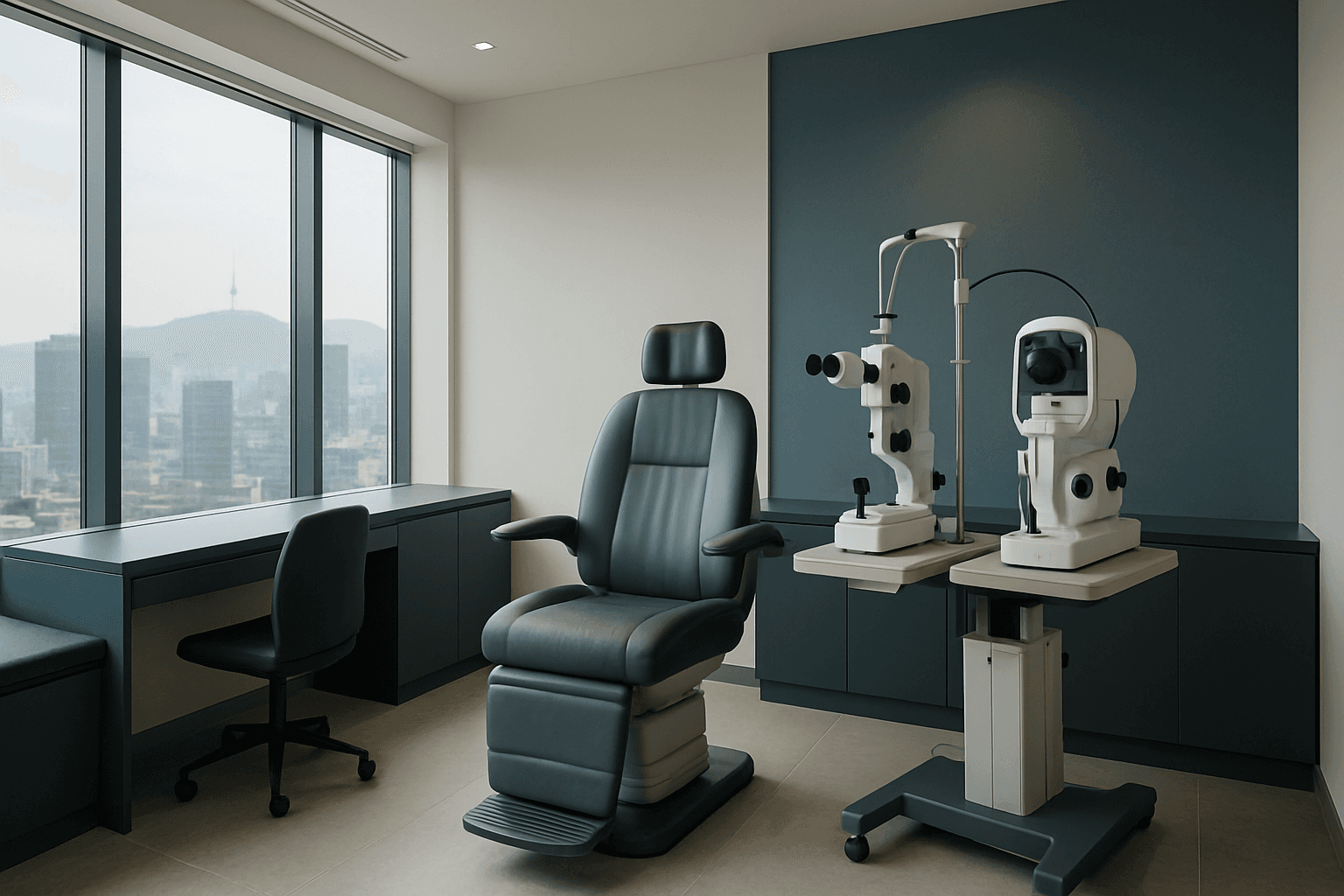
Korea's ophthalmology clinics offer three principal laser vision correction techniques, each employing a distinct approach to reshape the cornea and reduce refractive errors such as myopia, hyperopia, and astigmatism.
LASIK (Laser-Assisted In Situ Keratomileusis) remains widely performed globally. The surgeon creates a thin corneal flap using either a mechanical microkeratome or a femtosecond laser, lifts the flap to expose the underlying stromal tissue, then applies an excimer laser to precisely ablate and reshape the cornea according to the patient's prescription. The flap is repositioned immediately afterward, adhering naturally without sutures. This technique is reported to offer rapid visual recovery—often within 24 hours—and minimal discomfort in many cases, making it suitable for patients with moderate prescriptions and adequate corneal thickness.
LASEK (Laser-Assisted Sub-Epithelial Keratectomy) represents a surface ablation method that preserves more corneal tissue. Instead of cutting a deep flap, the surgeon loosens and gently moves aside only the thin epithelial layer, applies the excimer laser to the exposed surface, then replaces or allows the epithelium to regenerate naturally. A bandage contact lens protects the eye during initial healing. LASEK may suit patients with thinner corneas, those in contact sports, or professions where flap dislodgement poses concern. Recovery is generally slower—several days to weeks—with more initial discomfort compared to LASIK, though individual experiences vary.
SMILE (Small Incision Lenticule Extraction) is a newer, minimally invasive technique using only a femtosecond laser. The laser creates a tiny lens-shaped piece of tissue (lenticule) within the intact cornea, which the surgeon extracts through a small 2–4 mm incision—no flap required. This approach is reported to preserve corneal biomechanical strength and may reduce dry-eye risk, appealing to patients with active lifestyles or moderate-to-high myopia.
Each method requires thorough preoperative testing to determine candidacy based on corneal topography, thickness, pupil size, and refractive stability. A detailed consultation with ophthalmology specialists helps identify the most appropriate technique for individual eye anatomy and lifestyle needs.
The Korean Advantage: Technology, Expertise, and International Standards
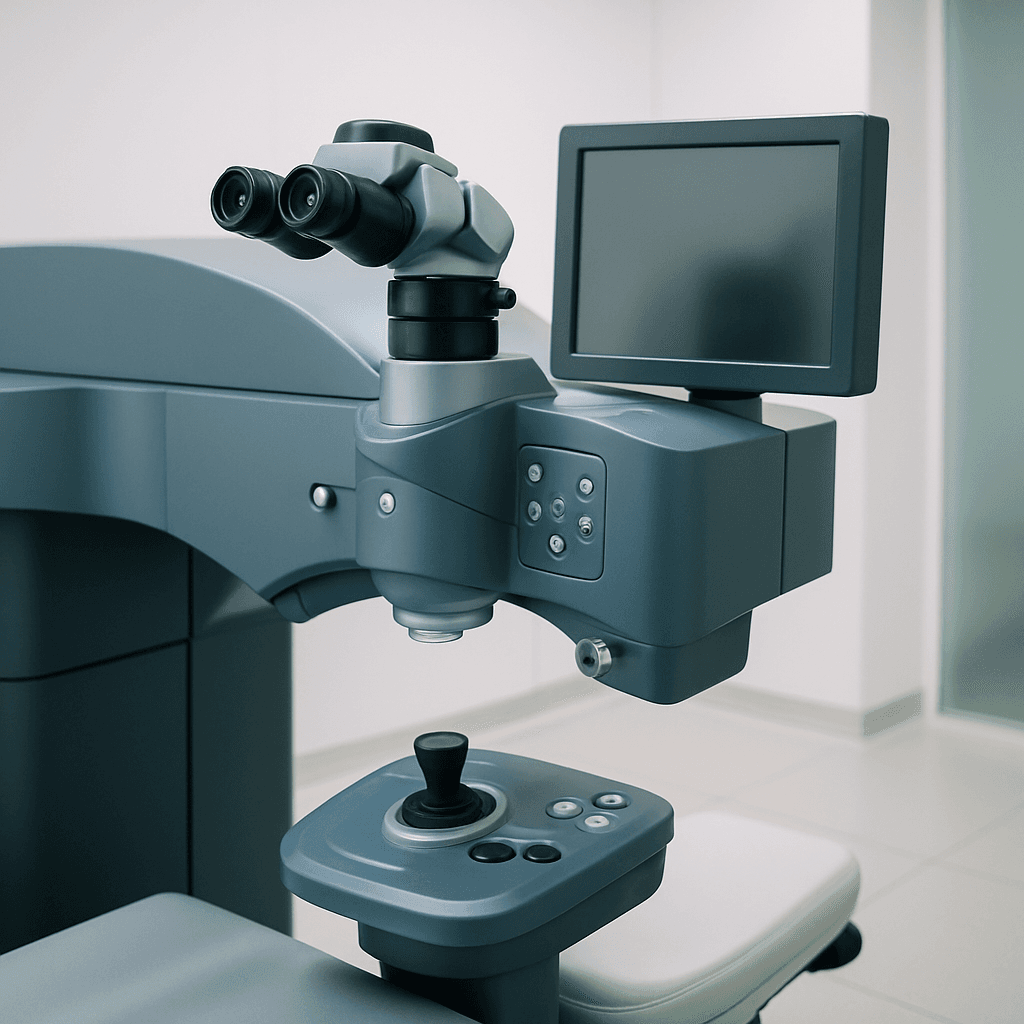
Korea has emerged as a prominent destination for vision correction procedures, driven by strategic investment in ophthalmic technology and a regulatory framework that emphasizes patient safety. The country's ophthalmology sector has rapidly adopted femtosecond laser platforms and wavefront-guided systems, often within months of international release, enabling clinics to offer procedures using equipment that meets contemporary global standards.
Seoul and major metropolitan areas host a concentration of high-volume clinics (dermatology, plastic surgery, dentistry, ophthalmology, etc.) where surgeons perform thousands of procedures annually. This volume is reported to translate into accumulated technical experience and familiarity with diverse corneal profiles, refractive errors, and patient anatomies. Many practitioners have completed subspecialty training in refractive surgery and maintain active participation in regional academic conferences.
The Ministry of Food and Drug Safety oversees medical device approval and clinic operations through a structured regulatory process. Laser systems, diagnostic instruments, and surgical consumables undergo evaluation before clinical use, and facilities are subject to periodic inspections. This oversight framework aligns with international quality benchmarks and provides a foundation for consistent procedural standards.
Korea's geographic position makes it accessible for patients across East Asia and beyond, with direct flights from numerous cities and a well-developed medical-tourism infrastructure. Language support services, streamlined appointment scheduling, and coordination assistance are widely available, reducing logistical barriers for international visitors seeking consultations.
The combination of advanced equipment access, experienced surgical teams, regulatory accountability, and patient-centered service models has positioned Korea as a regional hub where individuals can explore vision correction options through thorough pre-operative assessments and informed discussions with ophthalmology specialists.
Pre-Operative Assessment: What to Expect During Your Consultation
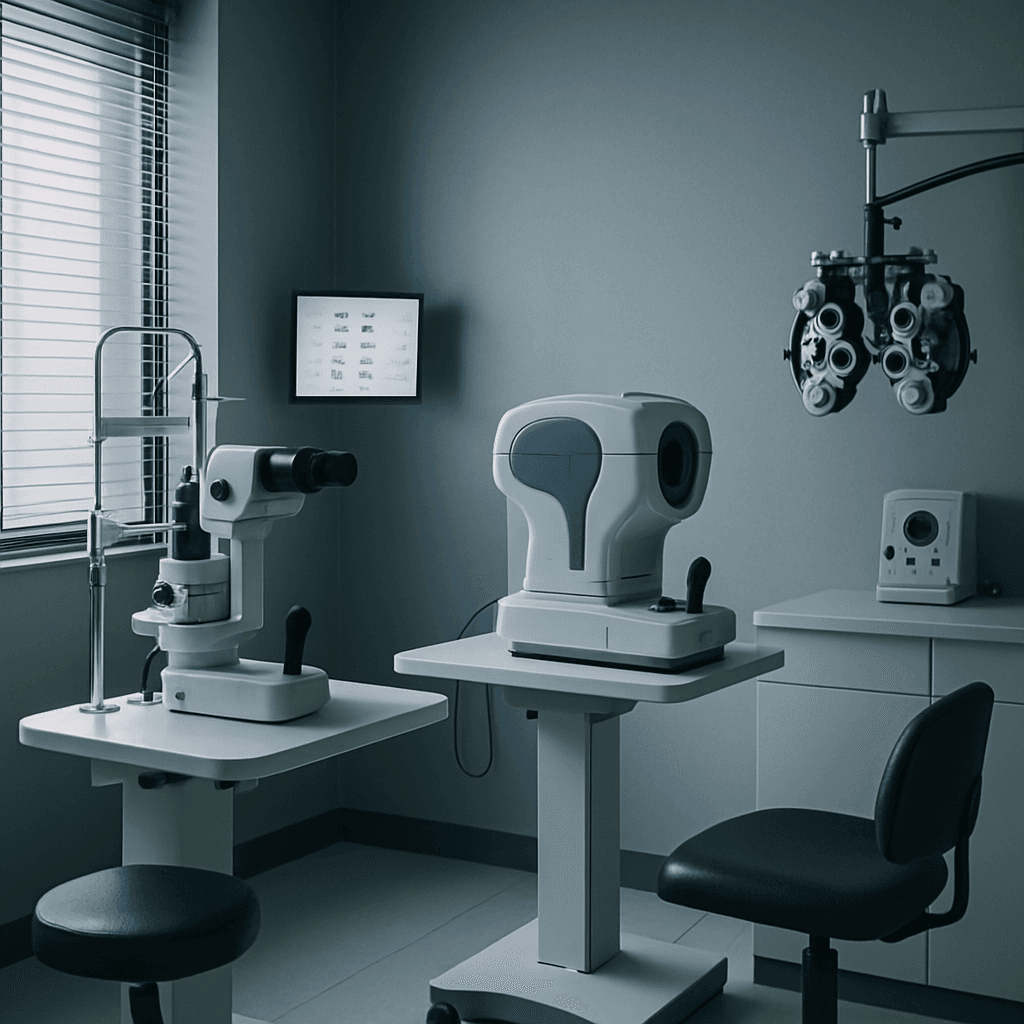
Your journey toward vision correction begins with a thorough pre-operative assessment that typically spans 90 to 120 minutes. This diagnostic battery goes far beyond a simple prescription check; it maps the unique architecture of your eyes to determine both candidacy and the safest surgical approach.
Corneal topography creates a three-dimensional elevation map of your cornea's surface, revealing irregularities, astigmatism patterns, and thickness distribution that influence technique selection. Pachymetry measures corneal thickness at multiple points—critical because insufficient tissue may rule out certain procedures entirely. Eyes with corneas thinner than 480 micrometers often require alternative approaches or may not qualify for laser correction.
Pupil dilation allows the ophthalmologist to examine your retina, optic nerve, and internal structures for conditions that could complicate surgery or recovery. Tear-film analysis assesses the quality and quantity of your natural lubrication; chronic dry eye may need management before any procedure can proceed.
Wavefront aberrometry captures higher-order aberrations—subtle optical imperfections beyond standard nearsightedness or astigmatism—that guide customized treatment profiles. This technology explains why two patients with identical prescriptions may receive different surgical recommendations.
Approximately 15 to 20 percent of initial consultations result in a recommendation to delay or forgo surgery, often due to unstable prescriptions, keratoconus risk markers, or systemic conditions affecting healing. Mediport coordinates consultations across multiple clinics (dermatology, plastic surgery, dentistry, ophthalmology, etc.) when a second opinion is warranted, ensuring you receive consensus guidance rather than a single perspective. This multi-clinic access proves especially valuable for borderline cases where candidacy remains uncertain after the first assessment.
Procedure Day: Step-by-Step Process and Immediate Aftercare
On procedure day, patients arrive at the clinic for final pre-operative checks and a brief consultation to confirm the treatment plan. The surgical suite is a controlled, sterile environment where the patient reclines on an adjustable chair beneath the laser system. Numbing eye drops are administered first, which is expected to reduce discomfort significantly; many patients report feeling only mild pressure rather than pain during the entire process, though individual experiences vary.
For LASIK, the surgeon uses a femtosecond laser or microkeratome to create a thin corneal flap, which is gently lifted. The excimer laser then reshapes the underlying tissue according to the customized ablation map, guided by real-time eye-tracking technology that compensates for involuntary micro-movements. The flap is repositioned and adheres naturally without sutures. SMILE procedures skip flap creation: the femtosecond laser carves a lenticule—a disc-shaped piece of tissue—inside the cornea, which the surgeon extracts through a small incision. Both techniques typically require ten to twenty minutes per eye, and patients remain awake throughout, focusing on a fixation light.
Immediately after, staff provide protective shields or sunglasses to guard against light sensitivity and accidental rubbing. Vision may appear hazy or watery, and mild stinging or a gritty sensation is common. Patients rest briefly in a recovery area before being cleared to leave with a companion; driving is not permitted. Clinics supply detailed aftercare instructions: prescribed antibiotic and anti-inflammatory drops, a strict no-rubbing policy, and wearing protective shields during sleep for the first week. Most individuals are advised to rest with eyes closed for several hours and avoid screens, makeup, and strenuous activity for the initial twenty-four hours.
Recovery Timeline: From First Week to Full Visual Stabilization
Recovery from laser vision correction follows a generally predictable pattern, though individual experiences vary based on the specific procedure and personal healing characteristics. Understanding this timeline helps international patients plan their stay in Korea and manage expectations during the stabilization period.
Immediate Post-Procedure Period (Days 1–7)
Many patients experience noticeable visual improvement within 24 hours, though some blurriness, light sensitivity, and mild discomfort are normal. Dryness typically peaks during the first week, requiring frequent preservative-free artificial tears. Halos around lights and glare are common during this initial phase, particularly at night. Patients generally receive protective eye shields to wear while sleeping and should avoid rubbing their eyes entirely.
Early Recovery (Weeks 2–4)
Vision continues to sharpen during this period, and many patients return to desk-based work within three to five days, though those with physically demanding jobs may need additional time. International patients can typically travel home after the first follow-up examination, usually scheduled 24–48 hours post-procedure. Eye makeup should be avoided for at least two weeks, and swimming pools, saunas, and hot tubs remain off-limits for four weeks to prevent infection risk.
Intermediate Stabilization (Months 2–3)
Dry eye symptoms gradually improve, though some patients continue using lubricating drops periodically. Halos and night vision disturbances typically diminish during this phase, though individual timelines vary. Contact sports and activities with eye-injury risk can usually resume after clearance from follow-up examinations, generally around six to eight weeks post-procedure.
Final Refractive Stability (Months 3–6)
Visual stabilization generally occurs between three to six months for many patients, when final prescription measurements become reliable. Clinics (dermatology, plastic surgery, dentistry, ophthalmology, etc.) typically schedule follow-up examinations at one day, one week, one month, three months, and six months to monitor healing progression and address any concerns through the stabilization journey.
Investment Considerations: Transparent Pricing and What's Included
Vision correction surgery in Korea is reported to offer competitive value compared to many Western markets, though understanding what you're paying for is essential to making an informed decision. Transparent pricing structures and comprehensive packages are standard across many clinics (dermatology, plastic surgery, dentistry, ophthalmology, etc.), helping international patients receive predictable, all-inclusive care.
Typical Investment Ranges
LASIK procedures generally range from approximately USD 1,500 to 3,000 per eye, while LASEK typically falls between USD 1,200 and 2,800 per eye. SMILE, being the newer technology, usually commands a premium of USD 2,200 to 3,500 per eye. These ranges reflect differences in laser platforms, diagnostic equipment sophistication, and clinic infrastructure rather than treatment quality alone.
What Standard Packages Include
Most quoted prices encompass a comprehensive care pathway: thorough pre-operative diagnostic testing (typically 12–20 separate measurements), the surgical procedure itself, immediate post-operative examination, prescribed medications (antibiotic and anti-inflammatory drops, lubricating tears), and scheduled follow-up visits for the first one to three months. Some packages extend post-operative care for six months or longer.
Additional Considerations
Enhancement procedures—if required within a specified warranty period—may be included or available at reduced rates, depending on the clinic's policy. Premium diagnostic technologies, wavefront-guided customization, or extended post-operative monitoring sometimes carry supplemental fees. Clarifying these details before committing ensures no unexpected costs arise.
How Mediport Adds Value
Mediport's concierge service provides international patients with detailed, comparable quotations from multiple qualified clinics (dermatology, plastic surgery, dentistry, ophthalmology, etc.), breaking down exactly what each package includes. This transparency allows you to assess value based on technology, surgeon credentials, post-operative support, and total investment—not price alone. A free consultation through Mediport helps identify the option that aligns with both your clinical needs and budget expectations.
Candidacy and Contraindications: Who Should—and Shouldn't—Pursue Surgery
Not everyone is a suitable candidate for laser vision correction, and understanding the medical and lifestyle factors that influence eligibility is essential before pursuing any procedure. A thorough evaluation by an ophthalmologist is necessary to assess both safety and realistic expectations.
Prescription stability is one of the most fundamental requirements. Many clinics (dermatology, plastic surgery, dentistry, ophthalmology, etc.) require that your refractive error—whether myopia, hyperopia, or astigmatism—has remained stable for at least one year. Changing prescriptions suggest ongoing shifts in eye structure, which could affect surgical outcomes.
Corneal thickness plays a critical role in determining candidacy. Laser procedures reshape the cornea by removing microscopic layers of tissue, so adequate thickness is necessary to preserve structural integrity and avoid complications. Patients with naturally thin corneas may be advised to explore alternative options during consultation.
Dry-eye syndrome can be exacerbated by surgery, as the procedure may temporarily disrupt tear production. Individuals with pre-existing severe dry eye may experience prolonged discomfort and should discuss their condition openly with their ophthalmologist.
Autoimmune conditions—such as rheumatoid arthritis, lupus, or Sjögren's syndrome—can impair healing and increase infection risk. Similarly, uncontrolled diabetes may delay recovery and affect visual outcomes.
Pregnancy and nursing introduce hormonal fluctuations that can temporarily alter vision and corneal shape, making it advisable to postpone surgery until several months postpartum.
Age considerations matter as well. Many candidates are between 20 and 40 years old, though suitability depends on individual eye health rather than age alone. Younger patients should ensure their eyes have fully matured, while older individuals may need to consider presbyopia.
A comprehensive consultation—including detailed imaging, refraction tests, and health history review—is the only way to determine true candidacy and explore the safest path forward.
Navigating Your Journey with Mediport: Concierge Support from Inquiry to Follow-Up
Planning vision correction in a foreign country can feel overwhelming, especially when language barriers and unfamiliar healthcare systems add complexity to an already important medical decision. Mediport's multilingual concierge service exists to remove those logistical hurdles, allowing you to concentrate entirely on your care and recovery.
From your first inquiry, a dedicated coordinator fluent in your language works to understand your vision goals, medical history, and any concerns you may have. Rather than navigating Korea's healthcare landscape alone, you receive curated matches to clinics (dermatology, plastic surgery, dentistry, ophthalmology, etc.) that align with your specific needs and preferences. This personalized matching process considers factors such as location, available technologies, and the clinic's experience with international patients.
Once you've selected a facility, Mediport handles the practical details that often create stress for medical travelers. Your coordinator schedules consultations and procedures at times that suit your travel itinerary, arranges professional medical interpretation for all appointments to ensure nothing is lost in translation, and provides transparent cost breakdowns in your currency so you understand the full investment before committing.
Support continues beyond the procedure itself. Your coordinator remains available throughout your recovery period in Korea, assisting with follow-up appointments, addressing any questions that arise, and facilitating communication with your medical team. For patients returning home, Mediport provides guidance on post-operative care instructions and can help coordinate remote follow-up consultations when appropriate.
This comprehensive support model transforms what could be a complicated international medical journey into a streamlined experience, letting you focus on achieving clearer vision rather than managing logistics in an unfamiliar environment.
Frequently asked questions
- Q. Which suits me better, LASIK or SMILE?
- A. The right method can differ depending on factors such as your corneal thickness, lifestyle, occupation, and whether you have dry eye. It is important to choose a method that suits you after examining your corneal condition through a thorough screening and consulting sufficiently with a specialist. We recommend arranging a free consultation through Mediport.
- Q. How long is the recovery period after vision correction surgery?
- A. Recovery speed differs by surgical method. With LASIK, the return to daily activities is relatively quick, while LASEK may require several more days for initial recovery. SMILE tends to recover quickly because the incision is smaller. As this varies between individuals, it is important to confirm your recovery through regular post-operative check-ups.
- Q. What determines the cost of vision correction surgery in Korea?
- A. Costs vary with the equipment used, the examination items included, and the post-operative care programme. Because the appropriate approach differs for each person, details are provided during an individual consultation rather than as a fixed figure. Mediport offers a free consultation and transparent guidance on what the cost is made up of.
- Q. Are there cases where vision correction surgery cannot be performed?
- A. Surgery may not be suitable if the cornea is too thin, if dry eye is severe, or if you have certain systemic conditions such as diabetes or an autoimmune disease. The timing may also need adjusting if you are pregnant or breastfeeding, under 18, or if your vision is not stable. Please obtain an assessment of your suitability through a thorough examination and consultation with a specialist.
- Q. What support can I get through Mediport?
- A. Mediport is a medical tourism concierge service for international patients, offering free online consultation, matching with specialist clinics including ophthalmology as well as plastic surgery, dermatology, and dentistry, interpretation support, booking services, and post-operative care guidance. We support the whole process so that you can receive vision correction surgery in Korea safely and comfortably.
This article is for general information only. Results vary by individual, and whether a procedure is suitable is a physician's decision. Please ask in a free consultation for details.
By Location
How consultation & interpretation work
Start with a free consultation
Tell us your goals, schedule and concerns. We'll reply within 24 hours, in your language.
Start a free consultation