Complete Guide to Preparing for Medical Tourism in Korea: Booking, Visa, Stay, Interpretation & Costs
Planning medical travel to Korea requires careful preparation across multiple areas—from initial consultation booking and visa applications to accommodation, language support, and budget planning. This comprehensive guide walks you through every essential step to ensure a smooth, confident medical tourism experience.


Understanding Korea's Medical Tourism Landscape
Korea is a destination for international patients seeking medical care. Available technologies, consultation processes and patient support services vary by medical institution.
International patients are drawn to Korea's comprehensive range of medical specialties available through clinics (dermatology, plastic surgery, dentistry, ophthalmology, etc.), each backed by rigorous professional standards and modern facilities. Korean medical professionals typically complete extensive training programs, and many have international experience that facilitates cross-cultural patient communication.
The regulatory framework governing healthcare in Korea emphasizes patient safety through mandatory facility certifications, regular quality audits, and strict professional licensing requirements. The Ministry of Health and Welfare oversees medical tourism operations, while the Korea Health Industry Development Institute (KHIDI) works to maintain service standards across the sector. These oversight mechanisms create a structured environment where international patients can access care with appropriate safeguards in place.
Korea's medical infrastructure features digitalized patient records, advanced diagnostic equipment, and streamlined appointment systems that reduce waiting times compared to many other countries. The service culture reflects Korea's broader hospitality traditions, with staff trained to address the specific needs of international visitors, from multilingual support to assistance with practical arrangements.
Geographic accessibility also contributes to Korea's appeal, with Incheon International Airport serving as a major hub offering direct connections to cities across Asia, North America, and beyond. This connectivity, combined with a compact geography, allows patients to access multiple consultations efficiently during a single visit.

Initial Research and Consultation Booking Process
Beginning your medical journey to Korea requires thoughtful preparation and systematic inquiry. Start by clearly defining your healthcare objectives: document your symptoms, previous treatments, diagnostic reports, and specific concerns. This clarity helps medical concierge services understand your situation and guide you toward appropriate clinical specialties—whether clinics or other medical departments.
Medical concierge platforms like Mediport serve as your initial contact point, acting as intermediaries between international patients and Korea's healthcare system. Submit a detailed inquiry through the platform's secure channels, including your medical history, current medications, known allergies, and any relevant imaging or laboratory results. Translate key documents into English if they're in another language; Korean medical staff can then arrange further translation as needed.
The concierge team reviews your submission and recommends suitable facility options based on your clinical needs, budget considerations, and travel timeline. They coordinate preliminary consultations—often available via video call—allowing you to discuss your case with medical professionals before committing to travel. These virtual meetings clarify treatment approaches, expected duration, recovery considerations, and cost estimates.
Prepare questions in advance: inquire about procedural steps, typical recovery timelines, follow-up requirements, and what documentation you'll need upon arrival. Request detailed cost breakdowns covering consultation fees, procedures, accommodation, and interpretation services.
Remember that initial consultations provide professional assessment and recommendations, not guaranteed outcomes. Use this phase to gather information, compare options thoughtfully, and make informed decisions about proceeding with your medical travel plans.
Visa Requirements and Immigration Procedures
Understanding visa requirements is essential for planning your medical journey to Korea. The appropriate visa category depends on your nationality, length of stay, and treatment duration.
Many travelers from visa-waiver countries can enter Korea for short medical visits without applying for a visa in advance. Citizens of over 100 countries—including the United States, Canada, most European Union nations, Australia, and New Zealand—may stay visa-free for periods ranging from 30 to 90 days, which often suffices for consultations and minor procedures at clinics.
For extended treatments or if your country requires a visa, the Medical Treatment Visa (C-3-3) allows stays up to 90 days specifically for medical purposes. Application requires several documents: a valid passport with at least six months remaining validity, a completed visa application form, recent passport photos, and an invitation letter or treatment confirmation from your Korean medical institution. You'll also need proof of financial capacity—bank statements showing sufficient funds to cover medical expenses and accommodation—and a detailed treatment plan or appointment confirmation.
Processing times typically range from 5 to 10 business days, though this varies by embassy and region. Apply at least three weeks before your intended departure to allow for potential delays or additional documentation requests.
Accompanying family members or guardians can apply for the Tourist Accompaniment Visa (C-3) by submitting proof of relationship (marriage certificate, birth certificate) alongside the patient's medical documentation.
Upon arrival at Korean immigration, present your visa (if applicable), return flight ticket, accommodation details, and medical appointment confirmation. Immigration officers may ask about your treatment purpose—answer honestly and briefly. Keep all medical documentation accessible but provide it only if requested.
Planning Your Stay: Accommodation, Transportation and Logistics
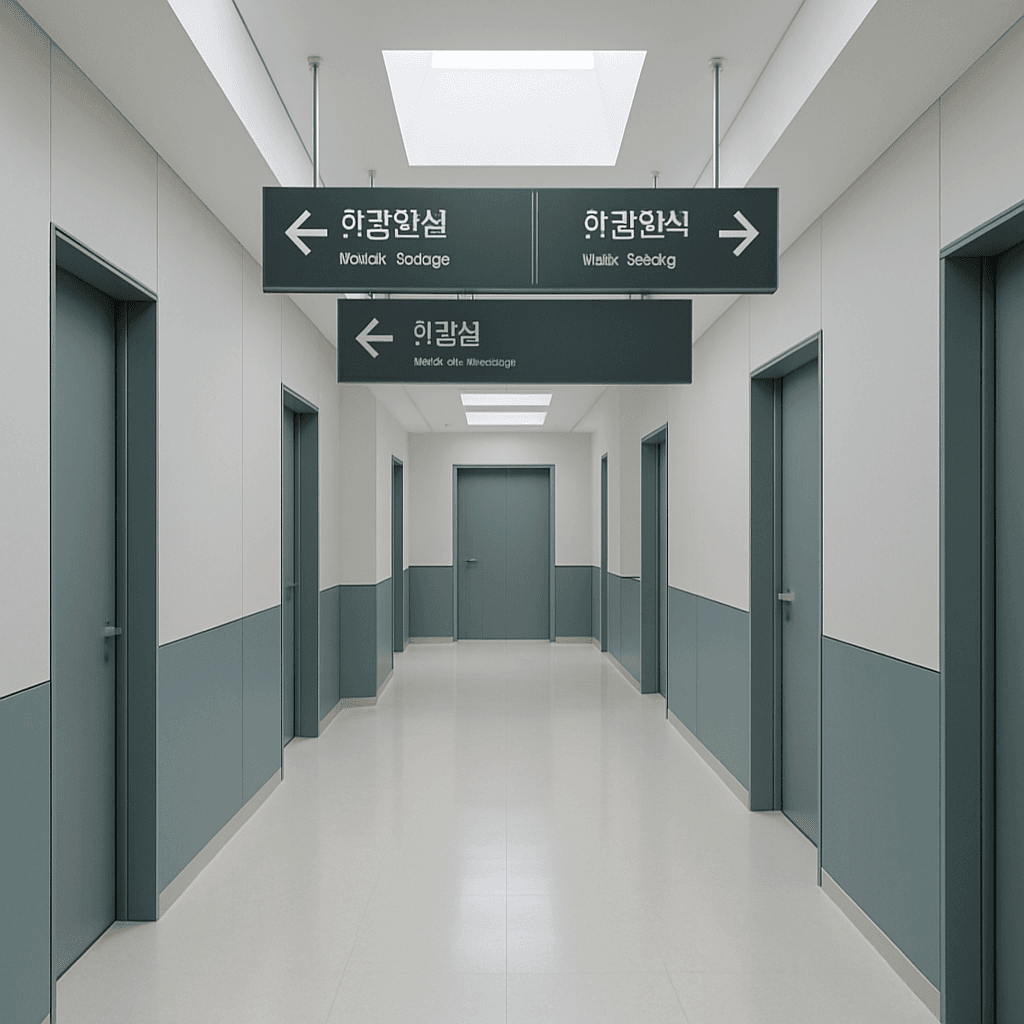
Selecting accommodation near your scheduled medical facilities significantly reduces travel stress and recovery-time complications. Seoul's major medical districts—Gangnam, Apgujeong, Myeongdong, and Itaewon—offer serviced residences, medical-stay hotels, and recovery guesthouses designed for international patients. Many properties provide nursing support, meal delivery, and extended checkout flexibility to accommodate post-procedure rest periods. Mediport can guide you to suitable accommodation options and recommend nearby tourist attractions to enhance your stay.
Understanding Seoul's integrated transportation network helps you navigate consultations efficiently. The subway system connects all major hospital zones with color-coded lines and bilingual signage. Purchase a T-money card at convenience stores for seamless transfers across subway, bus, and taxi services. Download navigation apps like Naver Map or KakaoMap, which offer English interfaces and real-time transit updates.
Airport transfer arrangements should account for your medical schedule and physical condition. Pre-book private vehicles through your concierge service if arriving late or departing shortly after procedures. The Airport Railroad Express (AREX) and airport limousine buses serve central districts, but may prove uncomfortable during recovery phases requiring limited movement.
Recovery periods vary by procedure type and individual healing patterns. Schedule buffer days between major consultations and treatments—clinics often require follow-up visits 3–7 days post-procedure. Build flexibility into your itinerary rather than booking consecutive appointments across multiple facilities.
Daily logistics become manageable with advance preparation. Identify nearby pharmacies, convenience stores, and meal-delivery options before arrival. Many medical districts feature patient-focused services including laundry, translation assistance, and medical-supply retailers. Coordinate all appointment times with your interpreter to ensure consistent support throughout consultations, ensuring nothing is lost in communication during critical medical discussions.
Language Support and Medical Interpretation Services
Effective communication is fundamental to safe, successful medical treatment abroad. Korean medical facilities serving international patients typically provide comprehensive language support through multiple channels, ensuring clarity at every stage of care.
Most major hospitals maintain dedicated international patient centers staffed with coordinators fluent in English, Chinese, Japanese, Russian, Arabic, and other languages. These coordinators facilitate initial consultations, explain treatment plans, assist with administrative procedures, and accompany patients during doctor visits. Their role extends beyond simple translation—they help patients understand medical terminology, clarify procedural details, and ensure informed consent.
Medical concierge services like Mediport provide continuous interpretation support throughout your journey. This includes coordinating with clinics before arrival, accompanying you to appointments, translating real-time conversations with medical staff, and explaining post-treatment instructions. Professional medical interpreters understand clinical terminology in both languages, reducing miscommunication risks that could affect treatment outcomes.
Before traveling, prepare essential documents in both your native language and Korean. These include previous medical records, diagnostic reports, medication lists, and allergy information. Many hospitals offer document translation services, though advance preparation saves time. During consultations, don't hesitate to ask interpreters to repeat or clarify information—understanding your diagnosis, treatment options, potential considerations, and aftercare requirements is crucial for informed decision-making.
Written materials—consent forms, prescription instructions, discharge summaries—should be provided in your language. Request translated copies of all important documents for your records and for follow-up care with physicians in your home country. Clear communication ensures you fully understand what to expect before, during, and after treatment.
Understanding Costs and Payment Methods
Medical tourism in Korea involves several distinct cost components that require careful planning. Consultation fees and procedure costs at clinics vary significantly by specialty and complexity, with transparent itemized quotes provided during initial consultations. Specific pricing depends on your individual case and will be explained during your free consultation.
Korea's healthcare system operates on a fee-for-service model for international patients, with pricing generally lower than Western countries while maintaining high standards. Institutions provide detailed written estimates covering all medical components, allowing for accurate budget preparation.
Payment Methods and Practical Considerations
Most medical institutions accept multiple payment options:
- International credit cards (Visa, Mastercard, American Express)
- Cash in Korean Won or major foreign currencies (USD, JPY, CNY)
- Wire transfers for larger procedures
- Medical tourism payment platforms
Beyond medical fees, budget for accommodation, professional interpretation services if not included in medical packages, local transportation, meals, and post-procedure supplies. Specific costs for these services depend on your individual needs and will be clarified during your consultation.
Currency exchange rates fluctuate, so monitor rates before travel and exchange at authorized banks or hotel facilities rather than airport kiosks for favorable rates. Many international patients find Korean won withdrawals from ATMs convenient for daily expenses.
International health insurance rarely covers elective procedures abroad. Review your policy carefully, as some plans may cover complications arising from treatment. Request detailed invoices and medical records in English for potential reimbursement claims.
A free consultation with a medical tourism concierge helps clarify total anticipated costs for your specific medical travel plan.
Pre-Departure Preparation Checklist
Thorough preparation before departure significantly reduces stress and helps ensure a smooth medical journey to Korea. Begin by reconfirming all medical appointments at least one week prior to travel, verifying dates, times, and required documentation with your Mediport coordinator. Double-check that your accommodation arrangements align with your consultation schedule and anticipated recovery period, allowing buffer days for unexpected changes.
Secure comprehensive travel insurance that explicitly covers medical tourism, including emergency evacuation and trip interruption. Standard policies often exclude planned medical procedures, so review coverage details carefully. Organize your medical records chronologically—including recent test results, imaging studies, medication lists, and relevant surgical history—with English translations prepared by certified translators. Many clinics require these documents for initial assessment.
Pack strategically for medical travel: loose, comfortable clothing that accommodates bandages or swelling, prescription medications in original labeled containers with documentation, copies of important documents stored separately from originals, and any recommended compression garments. Research Korea's medication import regulations through the Korea Customs Service website, as certain substances require advance approval.
Establish reliable communication methods before departure. Download messaging applications commonly used in Korea, ensure your mobile plan includes international service or arrange a local SIM card, and save emergency contact numbers including your accommodation, Mediport coordinator, and embassy information. Create contingency plans addressing potential scenarios—appointment delays, extended recovery needs, or medical complications—by identifying backup accommodation options and understanding your insurance claim procedures. Preparing these elements in advance allows you to focus entirely on your medical consultation and recovery once you arrive.
Arrival, Treatment Journey and Post-Care Planning
Upon landing in Korea, most medical tourists arrive at Incheon International Airport, where English signage and airport staff facilitate smooth navigation. Your concierge service typically arranges airport pickup and hotel check-in, allowing you to rest before your first consultation. Plan to arrive at least one day before scheduled appointments to adjust to the time zone and recover from travel fatigue.
Your initial consultation establishes the treatment roadmap. Medical staff will review your pre-submitted records, conduct necessary examinations, and confirm the treatment plan. Interpretation services ensure clear communication about procedures, expected timelines, and recovery requirements. Treatment durations vary significantly—minor procedures may require only a few days, while complex interventions at clinics might need one to three weeks including recovery monitoring.
Recovery protocols demand careful attention:
- Follow prescribed medication schedules and wound-care instructions precisely
- Attend all scheduled follow-up appointments before departure
- Understand activity restrictions and their duration
- Arrange appropriate accommodation near your treatment facility during the critical recovery window
Before leaving Korea, obtain comprehensive medical documentation in English, including treatment summaries, prescriptions, post-care instructions, and digital copies of imaging or test results. These records are essential for continuity of care with your home-country physician.
Most concierge services maintain communication channels after your return through messaging apps or email. Establish clear protocols for reporting concerns, scheduling virtual follow-ups, or addressing complications. Some treatments require staged procedures, necessitating return visits—discuss this timeline during your initial consultation to plan accordingly. Your medical team should provide emergency contact information and guidance on when to seek local medical attention versus remote consultation.
Frequently asked questions
- Q. How far in advance should I start planning my medical trip to Korea?
- A. Ideally, begin planning 2-3 months before your intended travel date. This allows sufficient time for initial consultations, visa processing (which can take 2-4 weeks depending on your country), booking accommodation during your preferred dates, and making any necessary arrangements with your home healthcare providers. For complex cases requiring extensive preparation or specific specialist availability, consider starting even earlier.
- Q. Do I need to speak Korean to receive medical treatment in Korea?
- A. No, language barriers should not prevent you from accessing quality medical care in Korea. Many medical facilities serving international patients provide interpretation services, and medical concierge services like Mediport facilitate communication throughout your entire journey—from initial inquiry through post-treatment follow-up. International patient coordinators are available at major medical institutions to ensure clear communication during consultations and procedures.
- Q. What documents do I need to bring for medical treatment in Korea?
- A. Essential documents include your passport (valid for at least 6 months), visa (if required for your nationality), previous medical records and test results (translated into English or Korean when possible), list of current medications, travel insurance documentation, and proof of financial means for payment. Your medical concierge service will provide a detailed checklist tailored to your specific situation and the requirements of your chosen medical specialty.
- Q. How do payment and pricing work for international patients?
- A. Medical facilities in Korea typically provide transparent pricing estimates during the consultation phase. Payment is usually required before or immediately after treatment, and most institutions accept major credit cards, international wire transfers, and cash. Costs vary significantly depending on the specialty and complexity of care needed. A medical concierge service can help you understand the complete cost structure, including any additional fees for interpretation, international patient coordination, or extended consultations.
- Q. Can I combine medical treatment with tourism activities in Korea?
- A. Yes, many medical tourists incorporate cultural experiences and sightseeing into their trip, though the extent depends on your treatment type and recovery requirements. Your medical team will advise on appropriate activity levels and timing. Generally, plan lighter activities before treatment and allow adequate recovery time afterward. Seoul offers accessible attractions, excellent public transportation, and diverse accommodation options that can make your medical journey more comfortable and enriching while prioritizing your health and recovery needs.
This article is for general information only. Results vary by individual, and whether a procedure is suitable is a physician's decision. Please ask in a free consultation for details.
Related articles



How consultation & interpretation work
Start with a free consultation
Tell us your goals, schedule and concerns. We'll reply within 24 hours, in your language.
Start a free consultation