Dental Implants in Korea: A Comprehensive Guide to Types, Process, Recovery & Costs
Explore the complete journey of dental implant treatment in Korea, from understanding implant types and surgical procedures to recovery timelines and cost considerations for international patients.


Understanding Dental Implants: What International Patients Should Know
Dental implants represent a sophisticated approach to tooth replacement, functioning as artificial tooth roots that integrate with the jawbone to provide a stable foundation for prosthetic teeth. Unlike traditional dentures or bridges, implants may offer a long-term solution that is reported to help preserve bone structure and restore both function and aesthetics, though outcomes vary by individual.
The implant system consists of three primary components working in harmony:
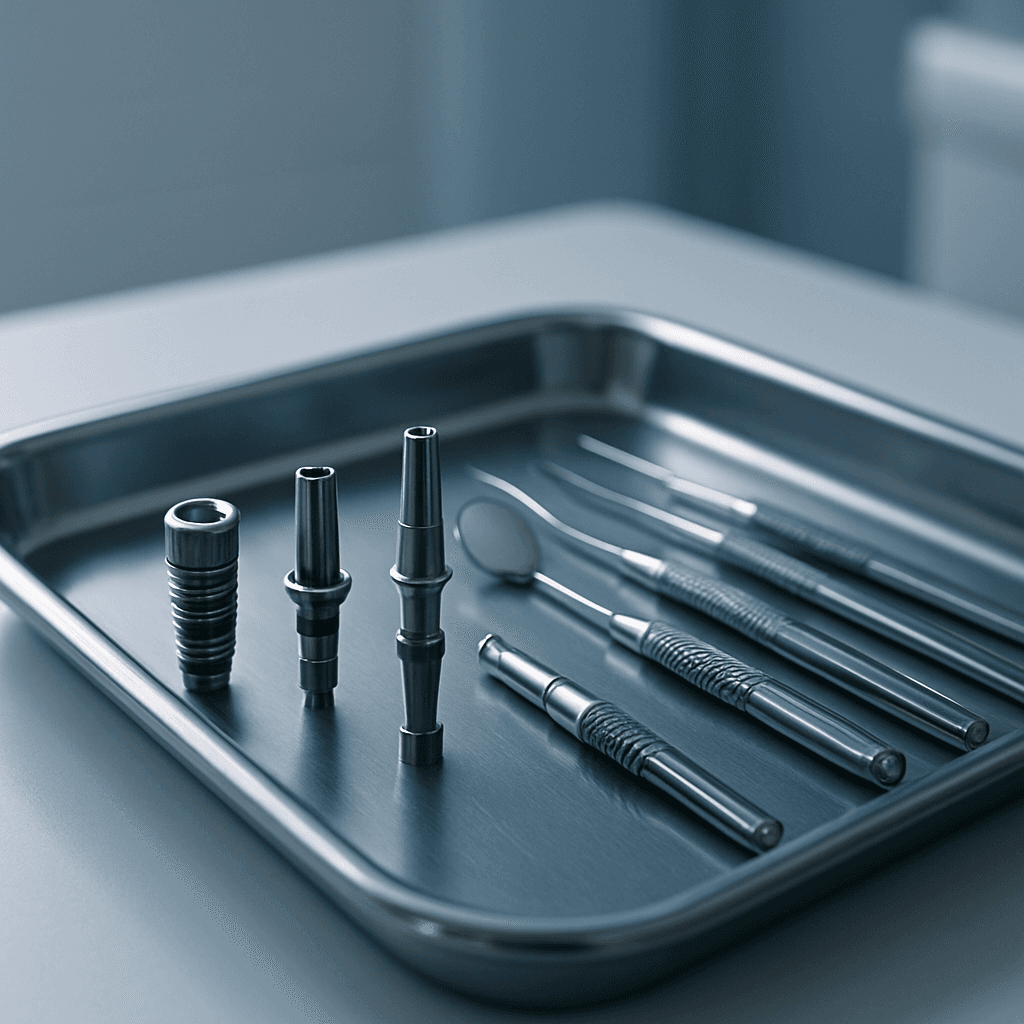
- Fixture (implant body): A titanium or zirconia post surgically placed into the jawbone, designed to fuse with bone tissue through a process called osseointegration
- Abutment: A connector piece that attaches to the fixture and serves as the anchor point for the visible restoration
- Crown: The custom-fabricated artificial tooth that sits atop the abutment, matching the color and shape of surrounding natural teeth
Korea has emerged as a prominent destination for international patients seeking implant dentistry, driven by several factors. The country's dental sector has invested heavily in digital dentistry infrastructure, including 3D imaging, computer-guided implant placement, and CAD/CAM crown fabrication systems. Many clinics (dermatology, plastic surgery, dentistry, ophthalmology, etc.) serving international patients maintain multilingual staff and coordinate comprehensive treatment packages.
The concentration of advanced dental facilities in Seoul and other major cities creates a competitive environment that encourages technological adoption and specialized expertise. International patients often find that some Korean dental practices combine modern equipment with meticulous attention to treatment planning and post-procedure care protocols.
For those considering implant treatment abroad, understanding these fundamentals helps establish realistic expectations. A free consultation with qualified providers can clarify individual candidacy, treatment timelines, and personalized planning based on specific dental health needs.
Types of Dental Implants Available in Korean Clinics
Korean clinics (dermatology, plastic surgery, dentistry, ophthalmology, etc.) typically offer a diverse range of implant solutions tailored to individual anatomical needs and treatment timelines.
Endosteal and subperiosteal implants represent the two primary structural categories. Endosteal implants—titanium posts surgically placed directly into the jawbone—are commonly recommended for patients with adequate bone density. Subperiosteal implants rest on top of the jawbone beneath the gum tissue, serving patients who may not be candidates for bone-level placement.
Single-tooth, multiple-tooth, and full-arch solutions address varying degrees of tooth loss. Individual implants replace isolated missing teeth, while bridge configurations supported by two or more implants can restore several adjacent teeth. Full-arch rehabilitation techniques restore an entire upper or lower dental arch.
Immediate versus delayed loading protocols differ in timing. Immediate loading allows temporary crowns to be attached shortly after implant placement, while delayed loading requires a healing period of several months before the final restoration. The appropriate protocol depends on bone quality, implant stability, and individual healing characteristics.
Mini implants—narrower-diameter posts—offer solutions for patients with limited bone width or those seeking stabilization for dentures. These require less invasive placement procedures compared to standard-diameter implants.
Zygomatic implants anchor into the cheekbone rather than the upper jaw, providing an alternative for patients with severe upper jaw bone loss who might otherwise require extensive grafting procedures.
All-on-4 and all-on-6 techniques utilize four or six strategically angled implants to support a complete fixed denture, often enabling full-arch restoration in a single treatment phase. During your consultation, clinicians can evaluate which implant type aligns with your bone structure, timeline preferences, and restoration goals.
The Dental Implant Procedure: Step-by-Step Process
The dental implant journey typically unfolds over several months, with each phase building toward the final restoration. Understanding this timeline helps international patients plan their visits and set realistic expectations.
Initial Consultation and Planning
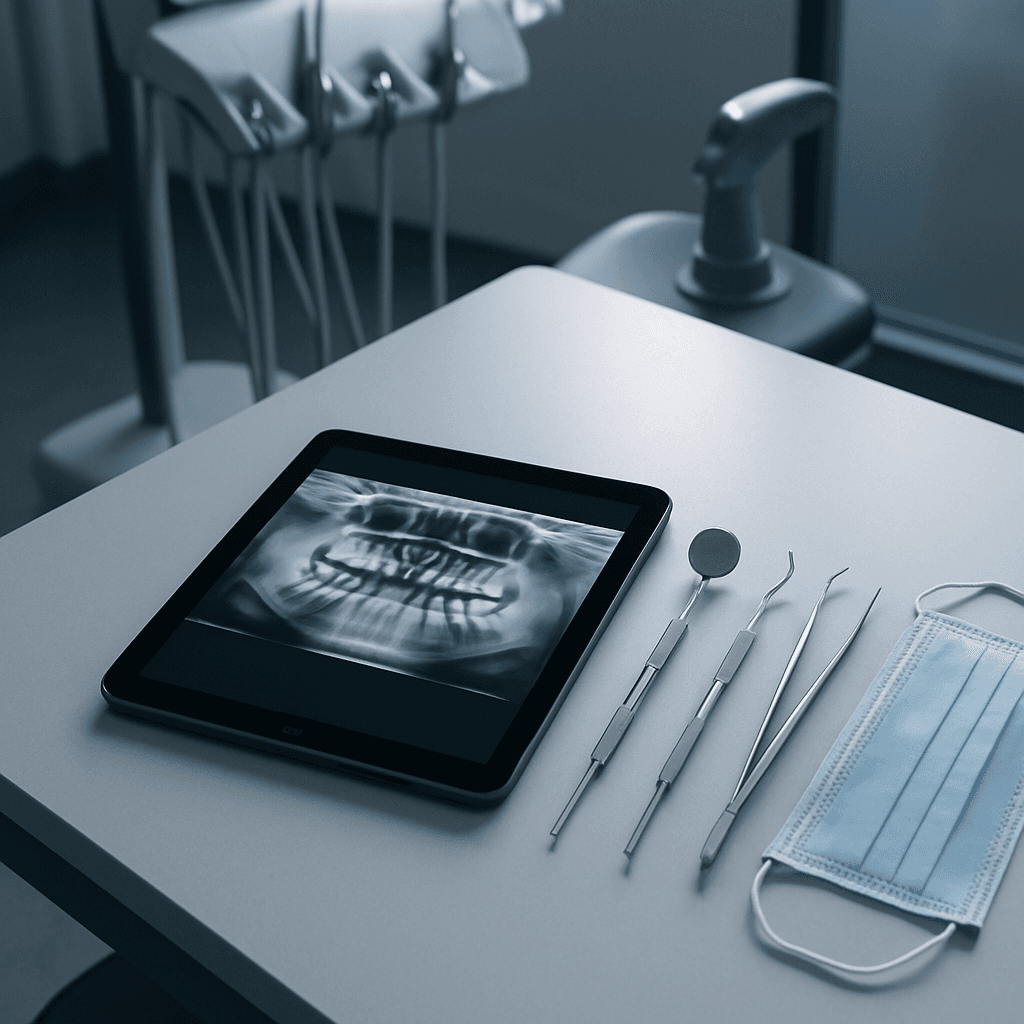
The process begins with a comprehensive examination at clinics (dermatology, plastic surgery, dentistry, ophthalmology, etc.) where specialists assess your oral health, bone density, and overall suitability for implants. Advanced 3D cone-beam CT scans map your jawbone structure precisely, while digital planning software allows practitioners to determine optimal implant positioning. This diagnostic phase usually requires one appointment and forms the foundation for your personalized treatment plan.
Surgical Placement
During the surgical procedure, the titanium implant post is carefully positioned into the jawbone under local anesthesia. The procedure typically takes 1-2 hours per implant. Many international patients appreciate that modern techniques emphasize precision and comfort, though individual experiences vary based on case complexity.
Osseointegration Period
Following placement, a healing period of 3-6 months allows the implant to fuse with surrounding bone tissue—a biological process called osseointegration. This timeline cannot be rushed, as proper integration is fundamental to long-term stability. Some patients receive temporary restorations during this phase.
Abutment and Crown Placement
Once integration is confirmed through follow-up imaging, the abutment (connector piece) is attached, followed by the custom-fabricated crown approximately 2-4 weeks later. This final phase typically requires 1-2 appointments.
For international patients, treatment may be structured across multiple visits or, in select cases, condensed where clinically appropriate. A free consultation with Mediport can help clarify scheduling options specific to your situation.

Recovery and Healing: What to Expect After Implant Surgery
Understanding the recovery timeline helps you prepare for a smooth healing process and favorable long-term results, though individual experiences vary. Recovery from dental implant surgery unfolds in distinct phases, each requiring specific care and attention.
Immediate Post-Operative Period (First 24–72 Hours)
The initial days focus on managing normal surgical responses. You may experience mild to moderate swelling, minor bleeding, and localized discomfort around the implant site. Applying cold compresses externally for 15-minute intervals during the first 48 hours may help minimize swelling. Most patients find over-the-counter pain relief adequate, though your dental team may recommend specific medications. Avoid vigorous rinsing, spitting, or using straws, as these actions can disrupt the surgical site.
The Osseointegration Phase (3–6 Months)
This critical healing period allows the implant to fuse with your jawbone. While you won't feel this process occurring, maintaining excellent oral hygiene and following dietary guidelines supports successful integration. The timeline varies based on bone quality, implant location, and individual healing capacity.
Dietary Recommendations
Stick to soft, cool foods for the first week—yogurt, smoothies, mashed vegetables, and protein-rich soups support healing without stressing the surgical site. Gradually reintroduce firmer textures as comfort improves, typically after 7–10 days. Avoid extremely hot foods, crunchy items, and sticky substances during early healing.
Oral Hygiene Protocols
Gentle care may help prevent infection while protecting the healing tissue. Use a soft-bristled brush around the implant area, and rinse with prescribed antiseptic solutions as directed. Your dental team will provide specific cleaning instructions tailored to your case.
Follow-Up Care
Regular check-ins—typically at 1 week, 4–6 weeks, and before crown placement—allow your dental team to monitor healing progress. Contact your clinic promptly if you notice increasing pain after the third day, persistent bleeding, fever, or unusual discharge, as these may require professional assessment.
Cost Considerations for Dental Implants in Korea
Understanding the cost of dental implants in Korea requires looking at several interconnected factors that influence the final investment. Pricing is not uniform across cases, as each patient's clinical situation presents unique requirements.
Implant System Origin and Brand The choice between Korean-manufactured systems and European systems represents one primary cost variable. Korean implant brands have earned international recognition for quality and innovation, often at more accessible price points. European systems, developed by long-established manufacturers, typically command premium pricing. Both categories offer clinically proven solutions, and the appropriate choice depends on individual clinical needs rather than price alone.
Clinical Complexity and Additional Procedures The condition of your jawbone significantly impacts cost considerations. Patients with adequate bone density may proceed directly to implant placement, while those requiring bone grafting or sinus lift procedures will need to account for these preparatory steps. These foundational procedures are expected to support long-term implant stability and success, making them essential investments when clinically indicated.
Crown Materials and Aesthetics The visible portion of your implant—the crown—comes in various materials. Zirconia crowns are generally considered to offer favorable aesthetics and biocompatibility, particularly for front teeth, while porcelain-fused-to-metal options provide durability at different price points. The number of implants needed naturally scales the overall investment, whether you're replacing a single tooth or multiple teeth.
International Cost Comparisons Korea's dental implant costs generally present favorable value when compared to North America, Western Europe, and Australia, without compromising on technology or expertise. Clinics (dermatology, plastic surgery, dentistry, ophthalmology, etc.) serving international patients often provide transparent pricing structures.
A personalized consultation remains essential for accurate cost estimation, as your specific clinical assessment will determine which combination of systems, materials, and procedures may best serve your needs.
Choosing the Right Dental Care: The Role of Medical Concierge Services
Navigating a foreign healthcare system presents unique challenges for international patients, particularly when seeking specialized dental treatments like implants. Language barriers, unfamiliar medical protocols, and logistical complexities can make the process overwhelming without proper guidance and support.
Medical concierge services bridge this gap by serving as professional intermediaries between international patients and Korea's healthcare landscape. These services streamline the entire treatment journey, beginning with an initial consultation to understand your specific dental needs, medical history, and treatment expectations. Rather than directing you toward specific providers, concierge professionals help you explore options across clinics (dermatology, plastic surgery, dentistry, ophthalmology, etc.) that align with your clinical requirements.
Coordination of appointments and diagnostic procedures represents a significant advantage. Concierge teams handle scheduling complexities, ensuring that consultations, imaging studies, and follow-up visits align with your travel itinerary. They also arrange necessary pre-treatment assessments and coordinate communication between different healthcare facilities when multiple specialties are involved.
Language interpretation services prove essential throughout the treatment process. Professional medical interpreters accompany patients during consultations, ensuring accurate communication of symptoms, treatment options, risks, and post-operative instructions. This linguistic support extends beyond clinical settings to include pharmacy visits and administrative procedures.
Logistical assistance encompasses accommodation arrangements near treatment facilities, transportation coordination, and guidance through Korea's medical documentation requirements. Concierge services also help navigate insurance verification, payment processes, and the preparation of medical records for your home country providers.
By leveraging professional concierge support, international patients can focus on their treatment and recovery while experienced coordinators manage the administrative and cultural complexities of receiving dental care abroad.
Pre-Treatment Preparation and Post-Treatment Care for International Patients
International patients planning dental implant treatment in Korea should gather comprehensive dental records before departure, including recent X-rays, CT scans, and a detailed treatment history from their home dentist. These documents help Korean clinics (dermatology, plastic surgery, dentistry, ophthalmology, etc.) assess your case efficiently and develop an appropriate treatment plan during your initial consultation.
Treatment timelines vary significantly depending on the complexity of your case. Simple single-implant procedures may require 5–7 days in Korea for placement, while cases involving bone grafting or multiple implants could necessitate two separate visits spanning several months. Plan your travel schedule with flexibility, as healing assessments may occasionally require timeline adjustments. Many patients choose accommodation near their treatment clinic during the initial recovery phase, typically 3–5 days post-surgery, when follow-up visits are most frequent.
Before returning home, request detailed post-operative instructions in English and arrange a local dentist who can provide follow-up monitoring. Your Korean clinic can typically provide digital records and communicate with your home dentist if concerns arise during healing. Some clinics offer remote consultations via video call during the osseointegration period.
Long-term implant outcomes depend on diligent oral hygiene practices. Brush twice daily with a soft-bristled brush, use interdental brushes or water flossers to clean around implant crowns, and maintain regular professional cleanings every six months. Avoid excessive force on implants and address any signs of inflammation promptly.
Schedule a comprehensive evaluation with your home dentist 3–6 months after crown placement, then continue routine check-ups to monitor implant stability and surrounding tissue health. A free consultation with Mediport can help you coordinate these preparation and aftercare logistics for your specific treatment journey.
Special Considerations: Bone Health, Medical History, and Treatment Candidacy
Favorable dental implant outcomes depend significantly on individual health factors and bone quality. Understanding these considerations helps patients prepare appropriately and set realistic expectations before pursuing treatment.
Bone Density and Volume Requirements
Adequate jawbone density and volume are fundamental for implant stability. The implant fixture must integrate with sufficient bone tissue to provide long-term support. Patients who have experienced prolonged tooth loss often develop bone resorption, where the jawbone gradually diminishes without tooth roots to stimulate it. Advanced imaging during consultation reveals whether existing bone can support implants or if preparatory procedures are needed.
Bone Grafting and Augmentation
When bone volume is insufficient, grafting procedures may help rebuild the necessary foundation. These techniques use natural or synthetic materials to regenerate bone tissue before or during implant placement. Sinus lift procedures may be recommended for upper jaw cases where the sinus cavity limits available bone height. Recovery from grafting typically extends the overall treatment timeline by several months.
Medical Conditions and Treatment Planning
Certain health conditions require careful evaluation. Diabetes may affect healing capacity and infection risk, though well-controlled cases often proceed successfully with appropriate monitoring. Osteoporosis and medications that affect bone metabolism may influence treatment protocols. Autoimmune conditions and radiation therapy history also warrant specialized assessment.
Lifestyle Factors
Smoking may significantly compromise implant success rates by restricting blood flow and impairing healing. Many clinics (dentistry, oral surgery, etc.) strongly recommend cessation before treatment begins and throughout the integration period.
A comprehensive consultation with complete medical history disclosure enables personalized treatment planning and helps determine the most appropriate approach for individual circumstances, though outcomes vary by person.
Frequently asked questions
- Q. How long does a dental implant procedure take?
- A. A dental implant procedure generally takes three to six months, including the osseointegration period during which the implant fuses with the bone. The timeline can vary with your bone condition, the type of implant chosen, and whether additional procedures are required. For a more accurate schedule, it is best to consult a specialist.
- Q. How long do I need to stay in Korea for a dental implant?
- A. A stay of at least three to five days is needed for the initial consultation, diagnosis, and implant placement surgery. Many patients then return home during the osseointegration period and come back for the final crown fitting. The specific schedule can be adjusted to fit your treatment plan.
- Q. How painful is a dental implant after surgery?
- A. Mild pain and swelling may occur after surgery, but these can generally be managed with prescribed pain relief. The level of discomfort varies with individual pain thresholds and the extent of surgery, and symptoms usually subside within two to three days. Following the post-procedure care guidance helps recovery go smoothly.
- Q. What is included in the cost of a dental implant?
- A. Dental implant costs cover diagnostic imaging (CT, panoramic), the implant fixture and surgery, the abutment, and fabrication of the final crown. If needed, additional procedures such as bone grafting or gum contouring may incur further costs. Through Mediport you can receive a transparent cost breakdown in advance.
- Q. What support does Mediport provide?
- A. Mediport is a medical tourism concierge service for international patients, supporting clinic matching (dermatology, plastic surgery, dentistry, ophthalmology, and more), interpretation services, schedule coordination, and guidance on accommodation and transport. Through a free consultation we provide a treatment plan and clinic information suited to your situation, and assist with your entire medical journey in Korea safely and comfortably.
This article is for general information only. Results vary by individual, and whether a procedure is suitable is a physician's decision. Please ask in a free consultation for details.
By Location
Related articles
How consultation & interpretation work
Start with a free consultation
Tell us your goals, schedule and concerns. We'll reply within 24 hours, in your language.
Start a free consultation