Orthodontic Treatment in Korea: A Comprehensive Guide to Clear Aligners, Ceramic Braces, and Modern Options
Explore the landscape of orthodontic care in Korea, from transparent aligners to ceramic brackets. This guide covers treatment types, typical timelines, cost considerations, and what international patients should know when seeking dental alignment services.
Orthodontic Treatment in Korea: A Comprehensive Guide to Clear Aligners, Ceramic Braces, and Modern Options
<!-- locale:en chars:15045 qa:finalized category:dental -->
Understanding Modern Orthodontic Options in Korea
Korea's orthodontic landscape has undergone remarkable transformation over the past two decades, evolving from primarily traditional metal bracket systems to a sophisticated array of aesthetic and technologically advanced treatment modalities. This evolution reflects both the country's rapid adoption of dental innovations and the cultural emphasis on facial aesthetics and preventive oral health care.
The modern Korean dental sector offers patients access to multiple orthodontic pathways, each designed to address different clinical needs and lifestyle preferences. Traditional metal braces remain available for complex cases, while ceramic bracket systems provide a more discreet alternative with similar mechanical effectiveness. Clear aligner technology has gained substantial traction, particularly among adult patients seeking virtually invisible treatment options that integrate seamlessly with professional and social commitments.
Several factors have contributed to Korea's emergence as a notable destination for dental alignment procedures:
- Investment in digital orthodontic technologies, including 3D scanning, computer-aided treatment planning, and precision manufacturing systems
- High concentration of dental professionals with specialized training in contemporary orthodontic techniques
- Competitive treatment costs compared to many Western markets, without compromising on material quality or clinical standards
- Integration of orthodontic care within comprehensive dental wellness programs that address both functional and aesthetic concerns
Clinics (dermatology, plastic surgery, dentistry, ophthalmology, etc.) throughout major Korean cities now routinely offer consultations that incorporate digital smile design, treatment simulations, and personalized timelines. This patient-centered approach allows individuals to make informed decisions based on their specific alignment challenges, aesthetic goals, and practical considerations.
For international patients, understanding this spectrum of available options represents the essential first step toward achieving optimal dental alignment outcomes through a free consultation with qualified professionals.
Clear Aligner Systems: Transparent Orthodontics Explained
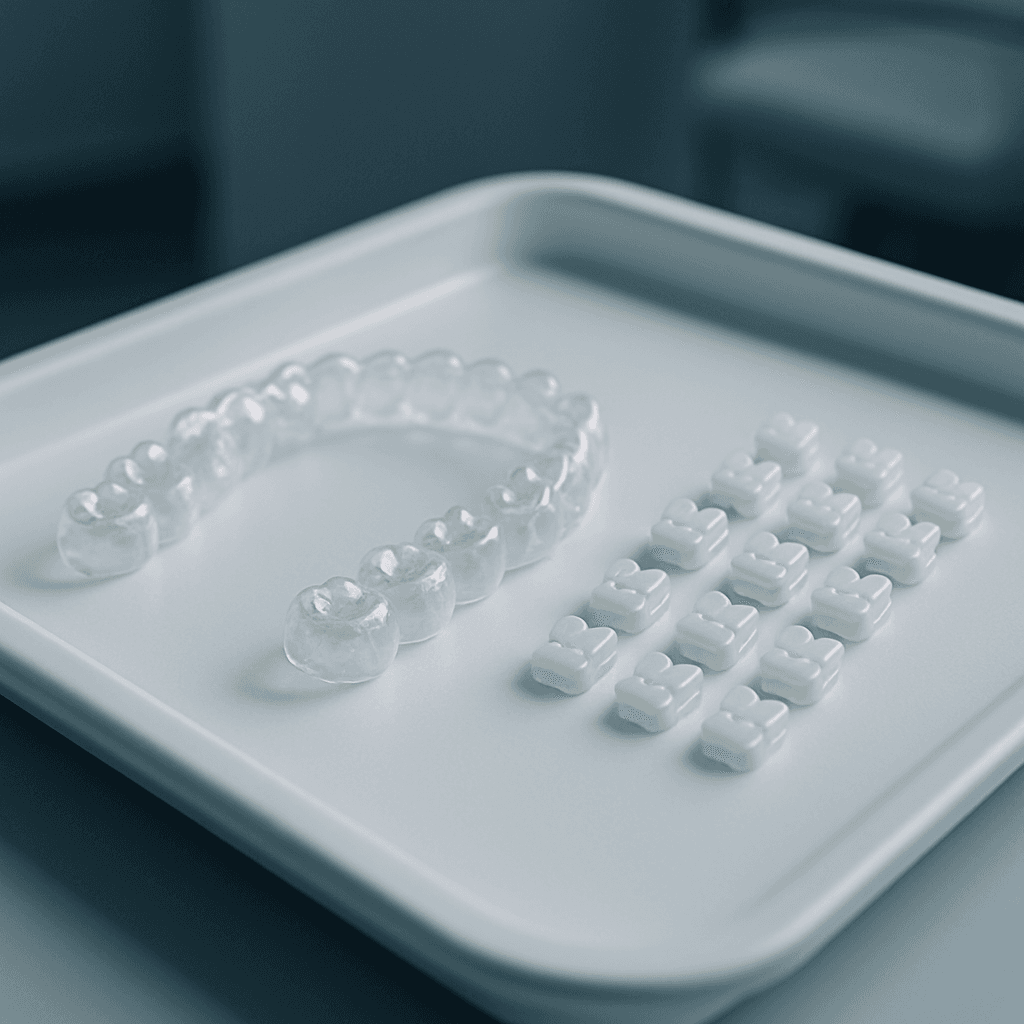
Clear aligner systems represent a modern approach to orthodontic correction, using a series of custom-fabricated transparent trays that gradually shift teeth into improved positions. Each aligner applies controlled pressure to specific teeth, and patients typically progress to a new set every one to two weeks as their teeth move incrementally toward the planned outcome.
The treatment process begins with digital imaging—often using intraoral scanners or cone-beam computed tomography—to create a precise three-dimensional model of the patient's dental anatomy. Orthodontists then use specialized software to map the projected movement sequence, allowing patients to visualize the anticipated progression before beginning. This digital planning phase enables clinicians to identify potential challenges and refine the approach accordingly.
Candidates generally include adults and adolescents with mild to moderate spacing issues, crowding, or certain bite irregularities. The technology continues to expand its clinical applications, though complex cases involving significant skeletal discrepancies or severe rotations may require alternative approaches or supplementary interventions.
The removable nature offers practical advantages: patients can maintain normal oral hygiene routines and remove the devices for meals, reducing dietary restrictions common with fixed appliances. The transparent material provides aesthetic discretion, appealing to professionals and image-conscious individuals. Comfort levels are often favorable, as the smooth plastic typically causes less soft-tissue irritation than metal components.
Treatment success depends heavily on patient compliance—aligners must be worn approximately 20 to 22 hours daily to achieve the planned timeline. Inconsistent wear can delay progress or compromise results. Clinics (dermatology, plastic surgery, dentistry, ophthalmology, etc.) in Korea often provide detailed compliance tracking and regular monitoring appointments to support patient adherence throughout the journey.
A thorough consultation with an experienced orthodontist will help determine whether clear aligner technology suits your specific alignment needs and lifestyle considerations.
Ceramic Braces: Aesthetic Fixed Orthodontics
Ceramic braces represent a middle ground between traditional metal appliances and removable clear aligners, offering fixed orthodontic correction with significantly reduced visibility. The brackets are manufactured from translucent polycrystalline or monocrystalline alumina materials that closely match natural tooth enamel, making them far less conspicuous than their metal counterparts during conversation and smiling.
The ceramic material itself has evolved considerably over the past decade. Modern formulations resist staining and discoloration throughout treatment, though patients should note that the elastic ligatures holding the archwire may require periodic replacement to maintain optimal appearance. The brackets bond to tooth surfaces using similar adhesive protocols as metal systems, providing reliable attachment strength throughout the correction process.
From a clinical perspective, ceramic brackets can address a comparable range of alignment concerns as traditional metal braces—including moderate to severe crowding, spacing issues, bite discrepancies, and rotational corrections. They remain fixed in place throughout treatment, eliminating compliance concerns associated with removable appliances. Treatment duration typically mirrors that of metal braces for similar cases.
Durability considerations differ slightly from metal systems. While ceramic brackets withstand normal orthodontic forces effectively, they may be more susceptible to fracture under excessive pressure. Patients who participate in contact activities or have parafunctional habits should discuss protective measures during their consultation.
Korea's clinics (dentistry, orthodontics, etc.) commonly offer ceramic systems as part of comprehensive treatment planning. A thorough examination allows specialists to evaluate whether ceramic brackets align with your specific correction needs, lifestyle factors, and aesthetic preferences. Mediport can arrange consultations to explore whether this fixed aesthetic option suits your individual circumstances.
Treatment Duration and Timeline Factors
Orthodontic treatment timelines vary significantly based on individual circumstances, and understanding the contributing factors helps patients set realistic expectations during their journey toward improved dental alignment.
Complexity of Alignment Needs
The severity and nature of alignment issues fundamentally shape treatment duration. Minor spacing or mild crowding may require shorter intervention periods, while complex cases involving significant bite correction, rotation, or jaw relationship adjustments typically extend the timeline. Comprehensive diagnostic imaging and clinical assessment during initial consultations reveal these complexities.
Patient Age and Biological Response
Younger patients often experience more rapid tooth movement due to higher bone remodeling capacity, though adults achieve equally successful outcomes within appropriate timeframes. Biological factors including bone density, periodontal health, and individual metabolic responses influence how quickly teeth shift into desired positions.
Compliance and Wear Schedule Adherence
Treatment modalities requiring patient cooperation—particularly removable clear aligners—depend heavily on consistent daily wear. Recommended wear schedules typically specify 20–22 hours daily, and deviations can extend overall treatment duration. Regular attendance at scheduled adjustment appointments also affects progress continuity.
Treatment Modality Characteristics
Different orthodontic systems operate through distinct mechanisms that influence timelines. Clear aligner systems, ceramic braces, and traditional metal brackets each apply forces differently, affecting movement rates. Clinics (dermatology, plastic surgery, dentistry, ophthalmology, etc.) offering orthodontic services provide detailed timeline discussions based on chosen approaches.
Retention Phase Considerations
Active treatment represents only one component of the orthodontic journey. The retention phase following alignment completion requires ongoing commitment to maintain achieved results, typically involving retainer use as directed by treating professionals.
A complimentary consultation allows personalized timeline assessment based on your specific dental situation and treatment preferences.
Cost Considerations and Investment Planning
Understanding the financial commitment of orthodontic treatment helps international patients plan effectively for their care journey. Treatment costs in Korea vary considerably based on several key factors, and individual circumstances will determine the final investment required.
The type of orthodontic system selected significantly influences pricing. Clear aligner systems typically represent a different price point compared to ceramic or metal braces, with technology sophistication and materials playing important roles. Treatment duration—which may range from several months to two or more years depending on complexity—directly affects the overall cost structure, as does the degree of correction needed.
Clinic location within Korea also contributes to price variation. Facilities in central Seoul districts may have different fee structures compared to those in other neighborhoods or cities, reflecting operational costs and market positioning. The technology and diagnostic tools employed, including digital scanning systems and 3D treatment planning software, can influence the investment required.
Most clinics offering orthodontic services structure their fees as comprehensive packages that include initial consultations, diagnostic imaging, appliance fabrication, regular adjustment appointments, and retention devices. This bundled approach provides clarity for international patients planning their visits. Many facilities offer flexible payment arrangements, including installment plans that distribute costs across the treatment timeline, making care more accessible.
For international patients, obtaining personalized quotes during a consultation proves essential, as individual treatment plans vary significantly based on dental condition, aesthetic goals, and clinical complexity. Mediport's concierge team can facilitate connections with appropriate clinics (dermatology, plastic surgery, dentistry, ophthalmology, etc.) and help coordinate initial consultations where detailed cost estimates tailored to your specific needs can be provided.
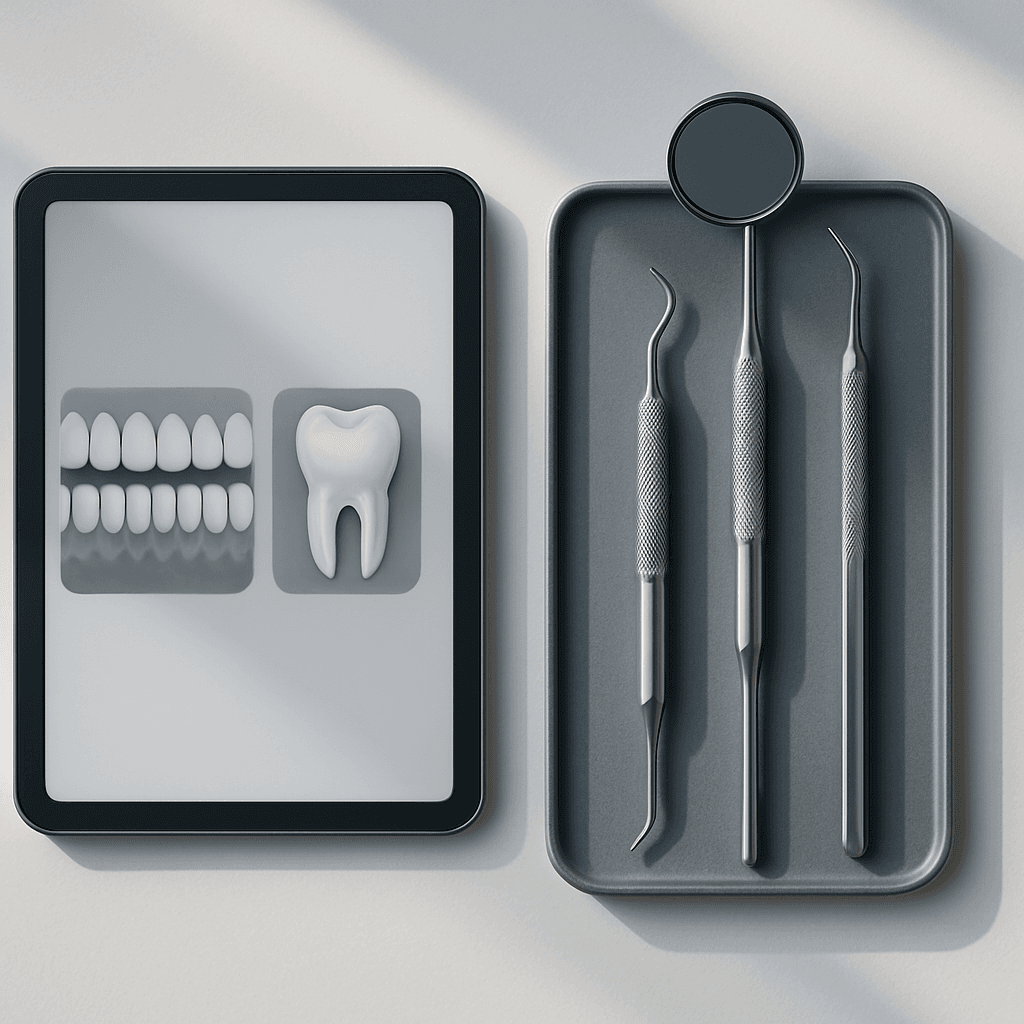
The Patient Journey: From Consultation to Retention
Understanding the orthodontic journey helps international patients prepare effectively for treatment in Korea. The process typically unfolds in distinct phases, each designed to ensure optimal outcomes and patient comfort.
The journey begins with a comprehensive consultation at clinics (dermatology, plastic surgery, dentistry, ophthalmology, etc.), where specialists assess your dental health and alignment concerns. During this initial visit, practitioners conduct thorough diagnostic imaging, which may include digital X-rays, intraoral scans, and 3D imaging to map your current tooth positions and jaw structure. This diagnostic phase provides the foundation for developing a personalized treatment plan tailored to your specific anatomical considerations and aesthetic goals.
Following diagnosis, the treatment planning phase involves discussing various orthodontic options—whether clear aligners, ceramic braces, or other modern approaches suit your lifestyle and clinical needs. Specialists explain the anticipated treatment timeline, which can vary considerably depending on the complexity of alignment required and the chosen method.
The active alignment phase represents the core treatment period, during which regular monitoring appointments ensure progress remains on track. Patients typically visit at intervals determined by their treatment type, allowing practitioners to make necessary adjustments and address any concerns promptly.
Once alignment objectives are achieved, the retention phase becomes crucial for maintaining results. This typically involves wearing retainers according to prescribed schedules, preventing teeth from gradually shifting back toward their original positions.
Throughout each stage, a free consultation with experienced specialists helps clarify which approach aligns with your individual circumstances, ensuring informed decision-making before committing to treatment.
Special Considerations for International Patients
Planning orthodontic treatment while visiting Korea requires careful coordination, as most options involve multiple appointments over an extended period. International patients should understand the treatment timeline before committing—clear aligners typically require 6–18 months, while ceramic braces may extend 12–24 months depending on complexity.
Treatment Planning and Scheduling
Initial consultations usually include digital scans, X-rays, and comprehensive treatment planning. Many clinics (dentistry, orthodontics, etc.) can schedule intensive first visits to complete diagnostic work and begin treatment during a single trip. For clear aligner patients, this may mean receiving the first several sets to take home, with subsequent sets shipped internationally. Ceramic braces require more frequent adjustments, typically every 4–8 weeks, which presents logistical challenges for overseas patients.
Communication and Documentation
Language barriers can complicate technical orthodontic discussions. Professional concierge services provide medical interpretation during consultations and help translate treatment plans, care instructions, and follow-up protocols. Requesting detailed documentation in English—including digital treatment files and emergency contact procedures—ensures continuity of care when returning home.
Managing Cross-Border Care
Patients should discuss remote monitoring options, as some clinics offer virtual check-ins through photo submissions or teledentistry platforms. Understanding the policy for mid-treatment transfers is essential if completing treatment locally becomes necessary. Travel medical insurance typically excludes elective orthodontics, so budgeting for the full treatment cost and potential additional visits is prudent.
Concierge services streamline appointment coordination, arrange accommodation near dental districts, and provide ongoing support throughout the treatment journey, making international orthodontic care significantly more manageable.
Making an Informed Decision About Your Orthodontic Care
Selecting the right orthodontic approach requires careful consideration of multiple factors beyond aesthetics alone. Your oral health history, lifestyle requirements, budget constraints, and treatment timeline all play significant roles in determining which modality may align with your circumstances. Rather than choosing based on marketing materials or anecdotal experiences, prospective patients benefit most from professional evaluation that accounts for individual dental anatomy and treatment objectives.
When preparing for your consultation, consider documenting specific concerns about your current dental alignment, any functional issues you experience while eating or speaking, and your priorities regarding treatment duration versus visibility. Clinics offering orthodontic services (dentistry, etc.) typically conduct comprehensive examinations including diagnostic imaging to assess bone structure, root positioning, and the complexity of alignment corrections needed.
Important questions to raise during your assessment include:
- What treatment duration ranges apply to your specific case across different modalities
- How each option addresses your particular alignment concerns
- What compliance requirements exist for removable versus fixed appliances
- Expected appointment frequency and what each visit typically involves
- Retention protocols following active treatment completion
Understanding that orthodontic outcomes depend significantly on patient cooperation and biological response helps establish realistic expectations. No treatment modality produces identical results for every individual, and timelines often vary based on factors including age, bone density, and adherence to care instructions.
Professional treatment planning accounts for nuances that aren't apparent without clinical examination. A thorough consultation through services like Mediport connects you with qualified professionals who can provide personalized assessments rather than generalized recommendations, ensuring your orthodontic journey begins with accurate information tailored to your dental health needs.
Frequently asked questions
- Q. Which suits me better, clear aligners or ceramic braces?
- A. Clear aligners suit mild to moderate malocclusion and are removable, which makes oral hygiene easier. Ceramic braces are more advantageous for complex cases or where substantial tooth movement is required, and because they are fixed, they depend less on patient compliance. For an accurate assessment, consulting an orthodontic specialist is recommended.
- Q. How long does orthodontic treatment take?
- A. This depends on each person's dental condition and orthodontic goals. Mild cases may take 6 to 12 months, moderate cases 12 to 24 months, and complex cases may require more than 24 months. An estimated duration can be given after a thorough examination at the initial consultation.
- Q. What determines the cost of orthodontic treatment in Korea?
- A. Cost depends on the difficulty of the case, the appliance chosen, and the length of treatment. Because the appropriate plan differs for each person, details are provided during an individual consultation rather than as a fixed figure. An estimate is given after the initial consultation based on your personal treatment plan.
- Q. Can people living abroad receive orthodontic treatment in Korea?
- A. Yes. A first visit is needed for the initial consultation and fitting of the appliance, after which check-ups take place at intervals of four to eight weeks. Some clinics support online monitoring, and Mediport helps overseas patients with scheduling and interpretation support.
- Q. How long must a retainer be worn after orthodontic treatment?
- A. Once orthodontic treatment is complete, a retainer should be worn for at least one to two years, initially throughout the day and then gradually shifting to night-time wear only. To maintain the result over the long term, it is important to follow the wear schedule as instructed by your orthodontic specialist.
This article is for general information only. Results vary by individual, and whether a procedure is suitable is a physician's decision. Please ask in a free consultation for details.
By Location
Related articles
How consultation & interpretation work
Start with a free consultation
Tell us your goals, schedule and concerns. We'll reply within 24 hours, in your language.
Start a free consultation