Pigmentation & Melasma Laser Treatment in Korea: A Comprehensive Guide to Laser Toning Procedures, Types, and Recovery
Explore the landscape of laser toning and pigmentation treatment options available in Korea, including procedure types, expected recovery timelines, and what international patients should know before seeking care.

Pigmentation & Melasma Laser Treatment in Korea: A Comprehensive Guide to Laser Toning Procedures, Types, and Recovery
<!-- locale:en chars:14484 qa:finalized category:derma -->
Understanding Pigmentation Concerns and Laser Toning Technology
Hyperpigmentation manifests in various forms, from melasma's brown patches triggered by hormonal changes to age spots resulting from cumulative sun exposure. These concerns share a common origin: excess melanin production by specialized skin cells called melanocytes. When these cells become overactive or damaged, they deposit concentrated pigment in specific areas, creating visible discoloration that can be resistant to topical treatments alone.
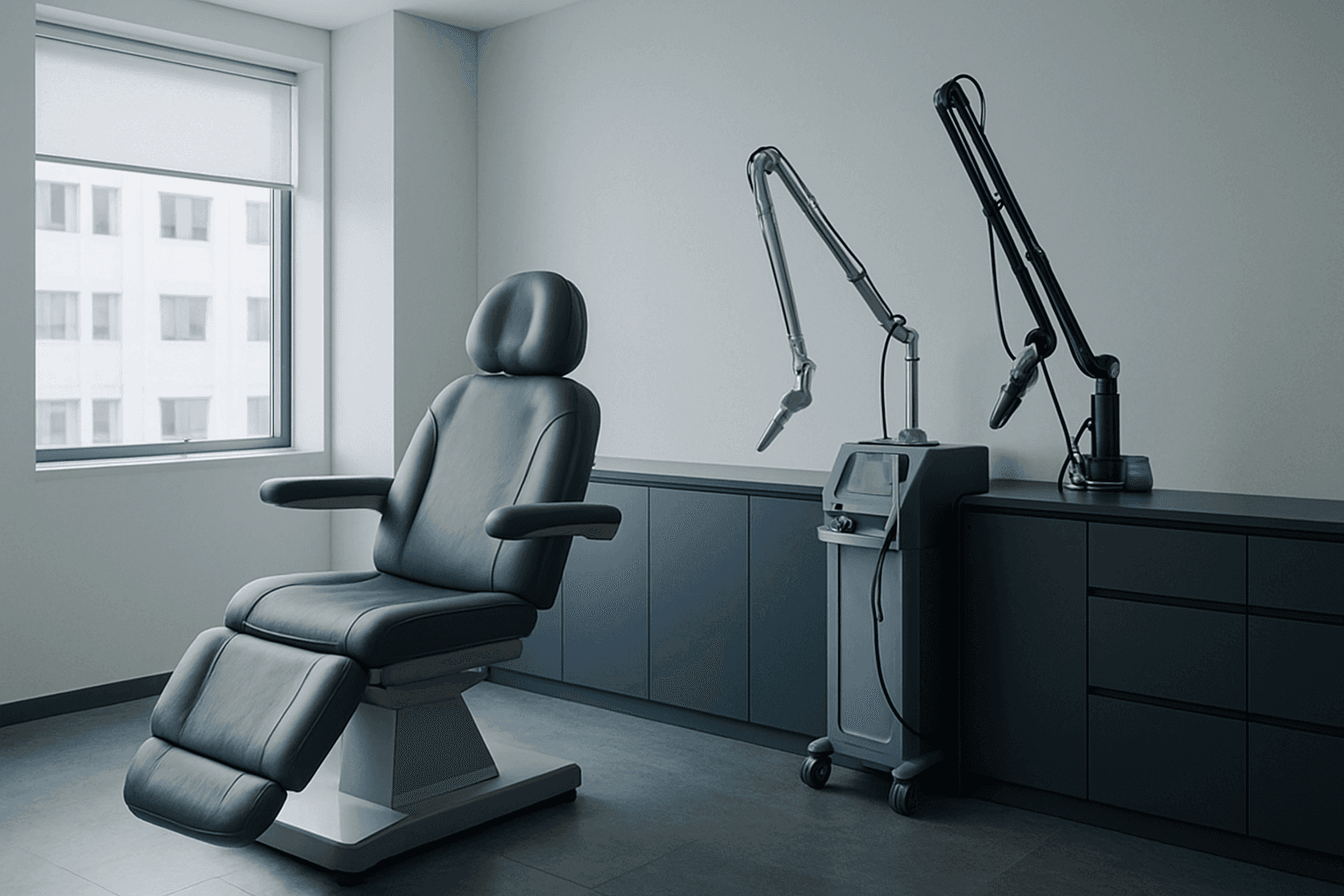
Laser toning technology addresses pigmentation at the cellular level through controlled photothermal energy. The procedure delivers precise wavelengths of light that target melanin particles without damaging surrounding tissue. When melanocytes absorb this energy, the heat fragments excess pigment into smaller particles that the body's lymphatic system can gradually eliminate. This process occurs over multiple sessions, allowing for progressive lightening while minimizing inflammation that could paradoxically worsen pigmentation.
Korea has emerged as a preferred destination for advanced dermatological procedures due to several converging factors. The country's regulatory framework encourages innovation in medical aesthetics, leading to early adoption of next-generation laser platforms. Clinics (dermatology, plastic surgery, dentistry, ophthalmology, etc.) frequently invest in multiple laser systems, enabling practitioners to customize wavelength combinations for different skin types and pigmentation depths.
The concentration of specialized experience matters significantly in laser procedures. Many Korean dermatology practitioners focus extensively on Asian skin characteristics, which present unique considerations for pigmentation treatment—including higher melanin density and increased post-inflammatory hyperpigmentation risk. This specialization has refined treatment protocols that balance effectiveness with safety.
International patients often find value in accessing this expertise through a free consultation, where practitioners can assess individual pigmentation patterns and recommend appropriate approaches tailored to specific skin concerns.
Types of Laser Systems Used for Pigmentation Treatment
Korean clinics specializing in dermatology, plastic surgery, and related fields employ several advanced laser platforms to address pigmentation concerns, each utilizing distinct wavelengths and pulse durations to target melanin at varying skin depths.
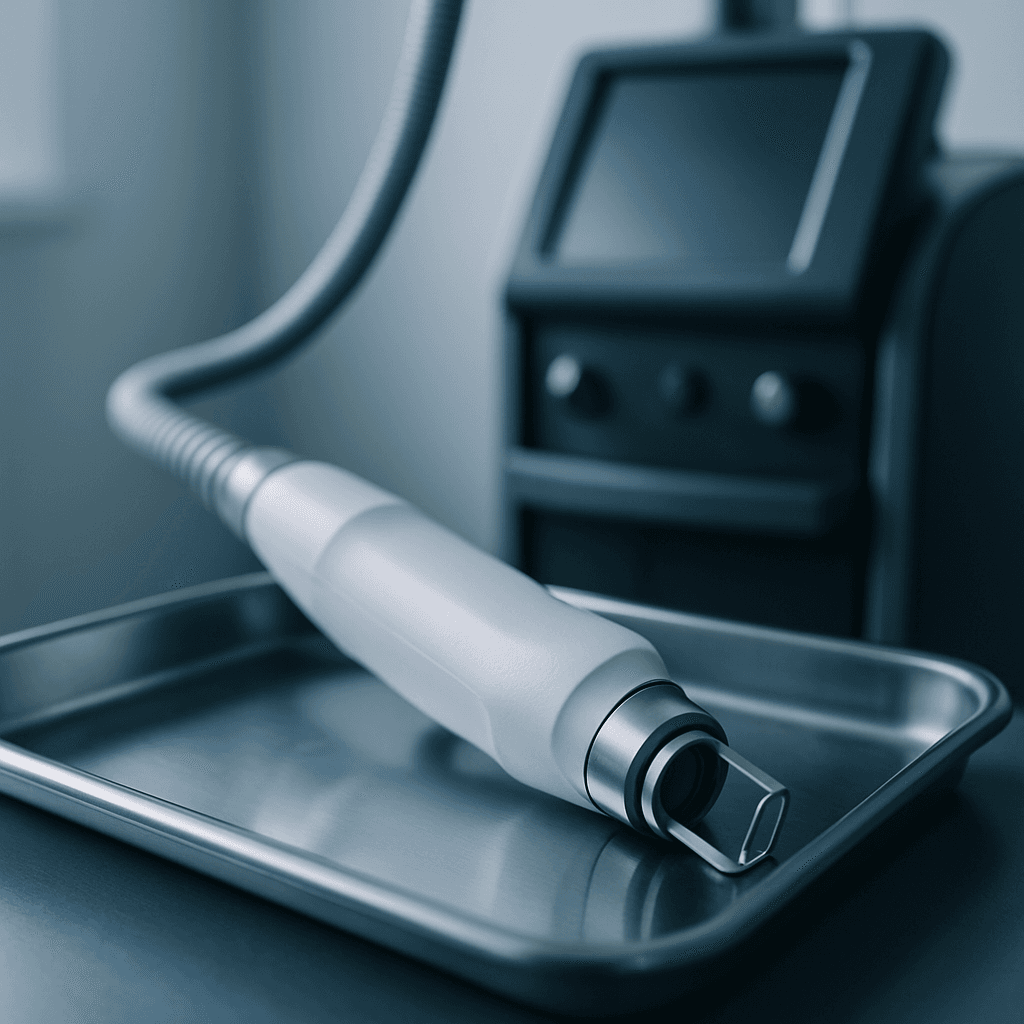
Q-switched Nd:YAG lasers remain widely used for their versatility in treating pigmentation. These systems typically operate at dual wavelengths—1064 nm for deeper dermal pigment and 532 nm for superficial epidermal concerns. The nanosecond pulse duration allows selective photothermolysis, fragmenting melanin particles while minimizing thermal damage to surrounding tissue. This technology proves particularly useful for mixed-depth pigmentation patterns commonly seen in melasma cases.
Picosecond lasers represent a newer generation of technology, delivering energy in trillionths of a second rather than nanoseconds. This ultra-short pulse duration creates a photoacoustic rather than photothermal effect, shattering pigment particles into finer fragments that the body can clear more efficiently. Picosecond platforms often incorporate multiple wavelengths (532 nm, 755 nm, 1064 nm) to address various pigment types and depths, with some systems offering specialized handpieces for fractionated treatment patterns.
Fractional non-ablative lasers work differently by creating microscopic treatment zones that stimulate collagen remodeling while gradually improving pigmentation through controlled skin renewal. These systems typically use wavelengths between 1440-1550 nm.
The selection among these technologies depends on individual pigmentation characteristics, skin type, and treatment goals. Clinics (dermatology, plastic surgery, dentistry, ophthalmology, etc.) may combine different laser systems within a treatment protocol to address both superficial and deep pigment layers. A thorough consultation helps determine which wavelength and technology combination suits specific concerns.
The Laser Toning Procedure: What to Expect During Treatment
Understanding what happens during a laser toning session helps international patients prepare mentally and logistically for their visit to Korea. Most procedures follow a structured protocol designed to maximize safety and comfort.
Initial Consultation and Skin Analysis
The process begins with a thorough consultation where medical professionals assess your skin type, pigmentation concerns, and medical history. Advanced imaging systems may be used to analyze melanin distribution beneath the skin's surface. This diagnostic phase determines the appropriate laser settings, wavelength selection, and treatment intensity for your specific condition. Patients should arrive with clean, makeup-free skin.
Pre-Treatment Preparation
Before the procedure begins, the treatment area is cleansed thoroughly to remove any residual oils or impurities. A topical numbing cream may be applied 20–30 minutes beforehand, though many patients find laser toning comfortable enough without anesthesia. Protective eyewear is provided to shield your eyes from the laser light.
The Treatment Process
During the session, the practitioner moves the laser handpiece systematically across the targeted areas using precise, overlapping passes. Most patients describe the sensation as warm pinpricks or gentle snapping against the skin—generally tolerable and less intense than ablative laser procedures. A typical full-face session lasts 15–30 minutes, depending on the treatment area size.
Immediate Aftermath
Immediately following treatment, mild redness resembling a light sunburn is common and typically subsides within a few hours. Some patients experience slight warmth or tingling. The skin may appear slightly pink but is generally presentable for daily activities, making this a popular "lunchtime procedure" option for visitors with limited time in Korea.

Recovery Timeline and Post-Treatment Care Protocols
Understanding the recovery timeline helps patients plan appropriately for laser toning treatments. Most individuals experience minimal downtime, with the skin appearing slightly pink or flushed immediately after the procedure. This initial redness typically subsides within 2–4 hours, though some patients may notice mild sensitivity lasting up to 24 hours.
During the first 48 hours post-treatment, the skin may feel warm and appear slightly darker as pigmented cells begin their natural exfoliation process. Patients should avoid touching or rubbing the treated areas and refrain from applying makeup for at least 12–24 hours, depending on individual skin response and treatment intensity.
The following week represents a critical healing phase. Gentle cleansing with lukewarm water and mild, fragrance-free cleansers is essential. Moisturizers containing hyaluronic acid or ceramides help maintain the skin barrier without causing irritation. Most clinics (dermatology, plastic surgery, dentistry, ophthalmology, etc.) provide specific post-care product recommendations tailored to individual needs.
Sun protection becomes paramount throughout the recovery period and beyond. Broad-spectrum sunscreen with SPF 50 or higher should be applied every 2–3 hours when outdoors, as treated skin remains vulnerable to UV damage for several weeks. Physical sunscreens containing zinc oxide or titanium dioxide are often preferred during the initial recovery phase.
Activity restrictions typically include avoiding saunas, hot baths, vigorous exercise, and swimming pools for 3–7 days, as heat and chlorine can irritate healing skin. Recovery duration varies based on skin type, with individuals having sensitive or darker skin tones potentially requiring extended care protocols.
Scheduling a follow-up consultation allows medical professionals to assess healing progress and determine optimal timing for subsequent sessions if multiple treatments are planned.
Treatment Frequency and Maintenance Considerations
Laser toning for pigmentation and melasma typically requires multiple sessions rather than a single treatment. This approach stems from the gradual nature of melanin breakdown and the skin's need for recovery time between procedures. Most treatment protocols at clinics (dermatology, plastic surgery, etc.) involve sessions spaced 1–2 weeks apart, allowing the skin to heal and respond to each treatment before the next application.
The number of sessions needed varies considerably based on several factors:
- Pigmentation depth and severity – Superficial pigmentation may respond within 5–8 sessions, while deeper melasma often requires 10–15 or more treatments
- Skin type and phototype – Higher Fitzpatrick skin types may require more conservative treatment approaches and extended timelines
- Hormonal influences – Melasma triggered by hormonal factors may show slower improvement and require ongoing management
- Sun exposure habits – Patients with significant UV exposure may experience slower progress
- Individual skin response – Each person's melanocytes react differently to laser energy
After completing an initial treatment series, many patients transition to maintenance sessions. These are typically scheduled every 1–3 months, depending on individual skin behavior and lifestyle factors. Maintenance helps sustain results and address new pigmentation before it becomes established.
Long-term management extends beyond clinic visits. Daily broad-spectrum sun protection remains essential, as UV exposure can trigger pigmentation recurrence even after treatment. Medical-grade skincare products containing ingredients that regulate melanin production may be recommended as part of a comprehensive maintenance strategy.
During a consultation with international patient coordinators, specialists can assess your specific pigmentation patterns and develop a personalized treatment timeline that aligns with your travel schedule and skin goals.
Candidacy, Contraindications, and Important Safety Information
Laser toning procedures are generally considered suitable for adults seeking to address pigmentation concerns such as melasma, post-inflammatory hyperpigmentation, age spots, and uneven skin tone. The treatment may be appropriate for various skin types, though individual assessment during consultation remains essential to determine the most suitable approach for each person's unique skin characteristics and concerns.
Certain conditions may require alternative treatment approaches or additional precautions. These include active skin infections, open wounds in the treatment area, recent sun exposure or sunburn, and current use of photosensitizing medications. Individuals who are pregnant or nursing typically receive guidance to postpone elective laser procedures. Those with a history of keloid scarring, autoimmune conditions affecting the skin, or active herpes simplex in the treatment area should discuss these factors thoroughly during their consultation.
Medical history considerations that warrant careful discussion include current medications (particularly retinoids, antibiotics, or anti-inflammatory drugs), previous laser treatments or chemical peels, and any history of abnormal scarring or pigmentation changes. Individuals with darker skin tones may require specialized laser settings and protocols to minimize the risk of post-inflammatory hyperpigmentation.
Potential side effects that should be understood before proceeding include temporary redness, mild swelling, and a warm sensation immediately following treatment. Some individuals may experience temporary darkening of pigmented areas before improvement occurs. Less common considerations include temporary skin sensitivity, minor crusting, or transient changes in skin texture.
A thorough consultation with qualified medical professionals at clinics (dermatology, plastic surgery, etc.) allows for comprehensive evaluation of individual suitability, discussion of realistic expectations, and development of an appropriate treatment plan tailored to specific skin concerns and medical background.
Navigating Pigmentation Treatment as an International Patient in Korea
Seeking pigmentation treatment in Korea as an international patient requires thoughtful preparation to maximize the value of your visit. The journey typically begins with a comprehensive virtual or in-person consultation where you'll discuss your skin concerns, medical history, previous treatments, and realistic expectations. Preparing clear photographs of the affected areas in natural lighting, along with a list of current skincare products and any relevant medical records, helps medical teams develop an appropriate treatment plan.
Communication is facilitated through professional medical interpreters who ensure accurate translation of technical terminology and treatment protocols. These specialists bridge language gaps during consultations, procedure explanations, and post-treatment instructions, allowing you to fully understand each aspect of your care plan.
Scheduling considerations are particularly important for pigmentation treatments, as most protocols require multiple sessions spaced 2–4 weeks apart for optimal results. International patients often coordinate initial sessions during their visit while planning follow-up treatments during subsequent trips, or arrange to complete care at qualified facilities in their home country. Some visitors schedule intensive treatment periods, completing several sessions during an extended stay.
Concierge services streamline the medical tourism experience by coordinating appointments across clinics (dermatology, plastic surgery, dentistry, ophthalmology, etc.), arranging medical interpreters, managing accommodation near treatment facilities, and providing post-procedure support. These services also assist with treatment documentation, ensuring you receive detailed care records and product recommendations to maintain results after returning home.
Planning adequate recovery time between sessions and before international travel is essential, as most laser toning procedures involve temporary redness and require sun protection during the healing period.
Making an Informed Decision: Questions to Ask During Your Consultation
Preparing thoughtful questions before your consultation demonstrates engagement in your treatment journey and helps establish realistic expectations. International patients should inquire about the specific laser technology recommended for their pigmentation concern, asking why that particular system suits their skin type and condition severity. Understanding the practitioner's experience with similar cases—particularly with patients of comparable skin tones—provides valuable insight into treatment planning.
Questions about the proposed treatment timeline deserve detailed discussion. Ask how many sessions the practitioner anticipates, the spacing between treatments, and the total duration from first session to expected visible improvement. Inquire about what you should realistically expect after each session, as melasma and pigmentation often require gradual improvement rather than immediate transformation.
Understanding the complete care pathway matters significantly for international patients. Discuss post-treatment protocols in detail, including recommended skincare products, sun protection requirements, and activity restrictions during recovery periods. Ask whether follow-up consultations can be conducted remotely after returning home, and what monitoring procedures exist for tracking progress between visits.
Financial transparency should include comprehensive cost breakdowns covering all anticipated sessions, required skincare products, and potential additional treatments. Inquire about what happens if your skin responds differently than expected—whether adjustments to the treatment plan would incur additional costs.
Questions about contraindications and potential complications demonstrate informed decision-making. Ask about factors that might affect your candidacy, how the clinic manages unexpected reactions, and what support systems exist for international patients experiencing concerns after returning home.
The consultation should conclude with clarity about next steps, including how much time you need to consider the proposed plan and what preparation is required before beginning treatment. This collaborative approach ensures your treatment plan aligns with both medical appropriateness and personal circumstances.
Frequently asked questions
- Q. How many laser toning sessions are needed?
- A. The number of sessions can vary with your pigmentation condition, skin type, and treatment goal. Treatment is generally carried out over several sessions, and an appropriate plan is drawn up through consultation with a dermatologist.
- Q. Can I return to normal activities right after the procedure?
- A. Laser toning has a relatively short recovery period, but temporary redness or sensitivity may appear immediately afterwards. As this varies between individuals, it is best to adjust your activities according to the guidance of your treating medical team.
- Q. Is laser toning suitable for every skin type?
- A. Suitability can vary with skin type, the depth of the pigment, and underlying health conditions. A careful skin assessment and consultation with a specialist before the procedure are essential, along with a treatment plan tailored to individual needs.
- Q. Can laser toning be combined with other skin procedures?
- A. In some cases it can be combined with other skin treatments, but the interval between procedures, skin condition, and safety all need to be considered. A combined treatment plan should be decided after consulting a specialist.
- Q. What support can I get through Mediport?
- A. Mediport is a medical tourism concierge service for international patients, offering free consultation, matching with clinics across dermatology, plastic surgery, dentistry, ophthalmology, and other fields, interpretation support, and appointment coordination. We help you choose a clinic that fits your circumstances.
This article is for general information only. Results vary by individual, and whether a procedure is suitable is a physician's decision. Please ask in a free consultation for details.
By Location
Related articles
How consultation & interpretation work
Start with a free consultation
Tell us your goals, schedule and concerns. We'll reply within 24 hours, in your language.
Start a free consultation