Thread Lifting, Radiofrequency, and Ultrasound Lifting in Korea: A Comprehensive Guide to Non-Surgical Facial Rejuvenation
Explore the landscape of non-surgical lifting procedures available in Korea, including thread lifting, radiofrequency, and ultrasound technologies. This guide covers procedure types, mechanisms, recovery expectations, and important considerations for international patients.
Thread Lifting, Radiofrequency, and Ultrasound Lifting in Korea: A Comprehensive Guide to Non-Surgical Facial Rejuvenation
<!-- locale:en chars:14952 qa:pass category:derma images:4 -->
Understanding Non-Surgical Lifting: An Overview of Modern Aesthetic Technologies
Non-surgical facial rejuvenation has evolved significantly over the past decade, offering patients a range of options that address skin laxity and tissue support without the downtime associated with traditional surgery. Korea's clinics (dermatology, plastic surgery, etc.) have become recognized centers for these advanced procedures, drawing international patients seeking minimally invasive alternatives to surgical facelifts.
The three primary categories of non-surgical lifting technologies work through fundamentally different mechanisms. Thread lifting represents a minimally invasive approach that involves placing medical-grade sutures beneath the skin to provide immediate mechanical support and lift to sagging tissue. These threads stimulate collagen production over time while creating a scaffolding effect that repositions facial contours.
Radiofrequency treatments utilize controlled thermal energy to heat the deeper layers of skin, triggering the body's natural healing response and promoting collagen remodeling. This technology addresses skin laxity by tightening existing collagen fibers and encouraging new collagen formation, resulting in gradual improvement over several months.
Ultrasound-based lifting technologies deliver focused energy to specific depths beneath the skin's surface, targeting the foundational layers that support facial structure. By creating precise thermal coagulation points in the tissue, these treatments stimulate a regenerative process that lifts and tightens from within.
Each approach offers distinct advantages depending on individual anatomy, skin condition, and aesthetic goals. Understanding these fundamental differences helps patients engage in meaningful consultations with qualified medical professionals. A comprehensive evaluation at clinics (dermatology, plastic surgery, ophthalmology, etc.) can determine which technology—or combination of technologies—may be appropriate for specific concerns.
Thread Lifting (Silhouette Lift): Procedure Types and Mechanical Support
Thread lifting has emerged as a sophisticated minimally invasive technique that addresses facial sagging through mechanical support and biological regeneration. The procedure involves inserting medical-grade sutures beneath the skin to reposition descended tissue while triggering the body's natural healing response.
Modern thread varieties fall into two primary categories. Polydioxanone (PDO) threads are fully absorbable monofilaments that dissolve over 6–8 months, leaving behind newly formed collagen structures. Polylactic acid (PLLA) and polycaprolactone (PCL) threads offer extended support, maintaining structural integrity for 12–18 months while promoting gradual tissue regeneration. Barbed threads feature tiny cones or cogs that anchor into the subcutaneous layer, providing immediate visible lift, whereas smooth threads focus primarily on collagen stimulation with subtle tightening effects.
Treatment commonly targets the mid-face, jawline, neck, and brow regions where gravitational descent becomes apparent. During the procedure at clinics (dermatology, plastic surgery, etc.), practitioners apply local anesthesia before inserting threads through small entry points using fine cannulas. The threads are positioned along predetermined vectors to achieve natural contour restoration, with the entire session typically lasting 30–60 minutes depending on treatment scope.
Patients experience dual-phase results: immediate mechanical repositioning followed by progressive improvement as neocollagenesis develops over subsequent months. The minimally invasive nature allows most individuals to resume regular activities within days, though temporary swelling, minor bruising, or dimpling may occur during the initial healing period.
A personalized consultation remains essential to determine thread type, placement strategy, and realistic expectations based on individual facial anatomy and aesthetic goals.
Radiofrequency Lifting: Heat-Based Collagen Remodeling
Radiofrequency lifting harnesses controlled thermal energy to trigger collagen contraction and stimulate new collagen formation deep within the skin. The technology delivers heat to targeted tissue layers while protecting the surface, creating a dual effect: immediate tightening from existing collagen fibers contracting, followed by gradual improvement over several months as neocollagenesis unfolds.
Korean medical facilities typically offer several RF modalities, each with distinct penetration characteristics:
- Monopolar RF delivers energy to deeper tissue layers, often reaching the dermis and subcutaneous fat, making it suitable for addressing skin laxity in areas with more substantial tissue depth
- Bipolar RF concentrates energy between two electrodes in closer proximity, treating superficial to mid-dermal layers with greater control over the treatment zone
- Fractional RF combines radiofrequency with microneedling, creating controlled micro-injuries that allow energy to reach precise depths while leaving surrounding tissue intact for faster recovery
During a typical session at clinics (dermatology, plastic surgery, etc.), practitioners apply a coupling gel and move the handpiece systematically across treatment areas. Patients generally report a warming sensation rather than significant discomfort. Treatment duration varies from 20 to 60 minutes depending on the areas addressed and the specific technology used.
The depth and intensity of energy delivery are adjusted based on individual skin thickness, laxity concerns, and treatment goals. Most protocols involve multiple sessions spaced several weeks apart, with visible improvements emerging gradually as the body's natural healing response generates fresh collagen. A consultation allows practitioners to assess skin condition, discuss realistic timelines, and determine the most appropriate RF approach for each patient's facial anatomy and rejuvenation objectives.
Ultrasound Lifting (HIFU): Focused Energy for Deep Tissue Tightening
High-intensity focused ultrasound (HIFU) represents a sophisticated approach to non-surgical skin tightening, utilizing precisely calibrated ultrasound energy to reach depths traditionally accessible only through surgical intervention. The technology operates by generating thermal coagulation points at predetermined tissue layers, typically between 1.5mm and 4.5mm beneath the skin's surface, where focused energy creates controlled micro-injuries that stimulate collagen remodeling and tissue contraction.
The mechanism relies on converting acoustic energy into heat at specific focal points, creating temperatures between 60-70°C in targeted zones while leaving surrounding tissue unaffected. This precision allows practitioners to address the superficial muscular aponeurotic system (SMAS) layer—the same structural foundation addressed in surgical facelifts—without incisions or downtime. The thermal effect triggers an immediate contraction response followed by a gradual neocollagenesis process that continues for several months post-treatment.
Korean clinics (dermatology, plastic surgery, etc.) have refined HIFU protocols through the integration of real-time imaging guidance systems. Ultrasound visualization enables practitioners to map facial anatomy before treatment, identifying optimal energy delivery zones while avoiding critical structures such as nerves and blood vessels. This imaging-assisted approach allows for customized depth selection based on individual tissue characteristics and aesthetic objectives.
Treatment sessions typically involve systematic delivery of energy lines across target areas, with cartridge selection determined by the tissue layer being addressed. Protocols generally recommend single sessions with maintenance treatments scheduled at intervals, though individual response varies based on age, skin quality, and lifestyle factors. A thorough consultation with qualified practitioners helps establish realistic expectations and determine whether ultrasound lifting aligns with your specific rejuvenation goals.
Recovery Timelines and Post-Procedure Considerations
Recovery experiences vary considerably depending on the specific non-surgical lifting technique and individual patient factors. Understanding typical timelines helps patients plan appropriately and set realistic expectations.
Thread lifting procedures generally involve a more noticeable initial recovery period. Patients commonly experience mild to moderate swelling, bruising, and tenderness at insertion points for several days following treatment. Some temporary tightness or pulling sensations may occur as tissues adjust to the thread placement. Most individuals can return to non-strenuous activities within 2-3 days, though visible social recovery typically takes 5-7 days. Practitioners usually advise avoiding vigorous exercise, facial massage, dental procedures, and extreme facial expressions for 2-4 weeks to allow proper thread integration.
Radiofrequency treatments typically present minimal visible recovery. Patients may notice temporary redness and mild warmth in treated areas immediately afterward, usually subsiding within hours. Slight swelling can occur but generally resolves within 1-2 days. Most people resume normal activities immediately, making these treatments popular for those with limited downtime availability.
Ultrasound lifting procedures similarly involve minimal disruption to daily routines. Temporary mild tenderness, slight swelling, or tingling sensations may persist for a few days. Bruising occurs infrequently but remains possible. Normal activities can typically resume immediately, with full social recovery often achieved within 24-48 hours.
Regardless of technique, sun protection becomes particularly important during the healing phase. Individual recovery experiences depend on treatment intensity, area size, skin characteristics, and personal healing responses. Clinics (dermatology, plastic surgery, etc.) provide detailed post-procedure instructions tailored to each patient's specific treatment plan. Following these individualized guidelines carefully supports optimal healing and outcome development. A consultation allows patients to discuss their lifestyle needs and receive personalized recovery expectations.
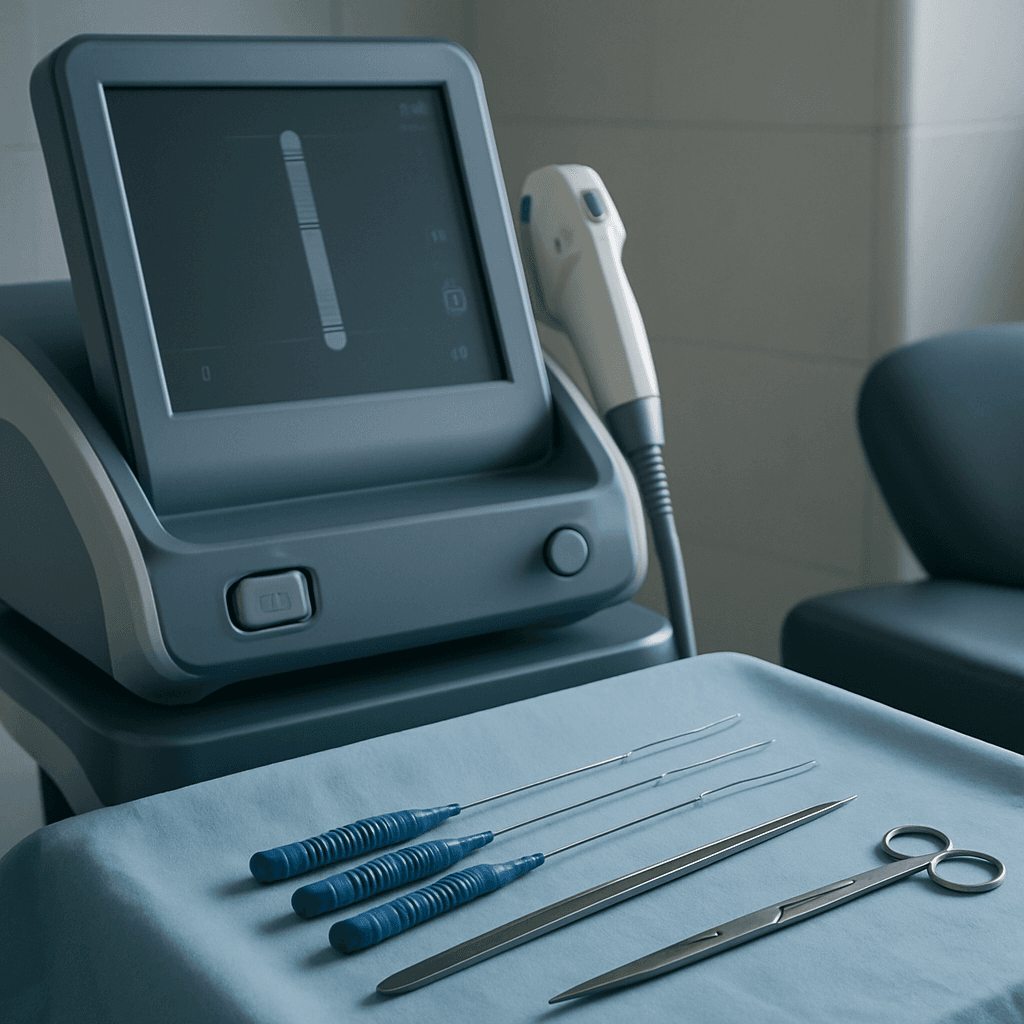
Comparing Approaches: Factors to Discuss During Your Consultation
Selecting among thread lifting, radiofrequency, and ultrasound technologies involves multiple considerations that extend beyond simple preference. During your consultation at clinics (dermatology, plastic surgery, etc.), specialists typically evaluate several interconnected factors to develop an appropriate treatment framework.
Skin characteristics play a foundational role in this assessment. Tissue thickness, elasticity, and current laxity patterns influence how different modalities interact with facial structures. Some individuals present with primarily superficial concerns, while others experience changes in deeper tissue layers—distinctions that inform which approach may align with anatomical realities.
Lifestyle factors merit thoughtful discussion. Recovery tolerance, social commitments, and maintenance preferences vary considerably among individuals. Some modalities involve minimal visible adjustment periods, while others may require planning around professional or personal schedules. Your daily skincare routine, sun exposure patterns, and willingness to attend follow-up sessions also contribute to the decision-making framework.
Personal goals require clear articulation during consultation. Whether seeking subtle refinement or more noticeable contouring, the degree of change you envision helps guide the conversation. Timeframe expectations—both for visible results and their duration—differ across technologies and should be discussed candidly.
Anatomical considerations specific to your facial structure cannot be determined through self-assessment. The relationship between bone structure, fat distribution, and muscle positioning creates unique patterns that specialists evaluate through physical examination.
Professional evaluation remains essential because these factors interact in complex ways. A comprehensive consultation allows for individualized discussion rather than generic recommendations, ensuring your questions receive responses grounded in clinical assessment rather than marketing materials.
Safety Considerations and Realistic Expectations
Non-surgical lifting procedures are generally well-tolerated, yet individual responses vary significantly based on skin type, age, tissue quality, and overall health status. Understanding these variations helps set appropriate expectations before pursuing treatment.
Common Considerations and Contraindications
Certain conditions may affect candidacy for these procedures. Patients with active skin infections, autoimmune disorders, bleeding disorders, or those who are pregnant should typically postpone treatment. Individuals with implanted medical devices require careful evaluation, particularly for radiofrequency and ultrasound modalities. A thorough medical history review during consultation identifies potential contraindications specific to each technology.
Realistic Outcome Expectations
Results from thread lifting, radiofrequency, and ultrasound treatments differ substantially among individuals. Factors influencing outcomes include baseline skin laxity, collagen production capacity, lifestyle habits, and adherence to post-treatment care protocols. Younger patients with mild laxity typically experience more noticeable improvements than those with advanced aging changes. These procedures offer subtle to moderate enhancement rather than dramatic transformation.
Potential Side Effects
Temporary effects may include swelling, bruising, redness, and mild discomfort lasting several days to weeks. Thread procedures occasionally present palpable threads or minor asymmetry requiring adjustment. Energy-based treatments may cause temporary numbness or textural changes that resolve over time.
The Importance of Professional Evaluation
Clinics (dermatology, plastic surgery, etc.) in Korea employ comprehensive assessment protocols to determine appropriate candidates and customize treatment plans. A detailed consultation allows medical professionals to evaluate individual anatomy, discuss realistic outcomes, and address specific concerns. This personalized approach helps ensure safety and satisfaction while acknowledging that aesthetic procedures have inherent limitations and variable results.
Navigating Your Medical Tourism Journey: The Mediport Concierge Advantage
Planning a medical tourism journey for facial rejuvenation can feel overwhelming, particularly when navigating language barriers, unfamiliar healthcare systems, and the sheer volume of treatment options available in Korea's advanced aesthetic medicine landscape. This is where a specialized concierge service becomes invaluable for international patients.
A dedicated medical tourism facilitator coordinates every aspect of your journey, beginning with understanding your aesthetic concerns and medical history. Rather than searching independently through countless options, you receive personalized guidance connecting you with qualified facilities offering thread lifting, radiofrequency, ultrasound lifting, and related procedures. This coordination ensures you consult with clinics (dermatology, plastic surgery, dentistry, ophthalmology, etc.) that maintain appropriate credentials and experience treating international patients.
Communication support extends beyond simple translation. Professional medical interpreters ensure nuanced conversations during consultations, helping you articulate your goals while understanding the physician's assessment, recommended approach, and realistic expectations. This clarity is essential when discussing combination treatments or determining which lifting modality suits your specific skin condition and facial anatomy.
Korean medical facilities adhere to rigorous standards, but understanding how these standards translate to your home country's healthcare expectations requires expert navigation. A concierge service explains pre-treatment evaluation protocols, helps you compile necessary medical documentation, and ensures appropriate screening occurs before any procedure.
The facilitation process also encompasses practical logistics—appointment scheduling that aligns with your travel dates, coordination between multiple consultations if you're considering different treatment approaches, and post-procedure follow-up arrangements. This comprehensive support allows you to focus on making informed decisions about your aesthetic goals rather than administrative complexities.
Ultimately, professional concierge assistance transforms what could be a stressful experience into a streamlined journey, ensuring you receive thorough evaluation and appropriate care recommendations tailored to your individual needs.
Frequently asked questions
- Q. Which is right for me: thread lifting, radiofrequency, or ultrasound?
- A. Each procedure suits different people depending on skin condition, age, degree of elasticity loss, and lifestyle. Thread lifting provides a physical lifting effect, while radiofrequency and ultrasound aim to regenerate collagen through heat energy. An accurate assessment requires a direct consultation with medical professionals in dermatology or plastic surgery, and you can book a free consultation through Mediport.
- Q. How long is the recovery period after a lifting procedure?
- A. Recovery differs by method. Radiofrequency or ultrasound generally allows a return to daily activities the same day or within a few days, while thread lifting may involve swelling or bruising lasting from several days to one or two weeks. There are differences based on individual skin response, the treated area, and post-procedure care, so it is important to follow your medical team's guidance.
- Q. What side effects or precautions apply after a lifting procedure?
- A. Temporary swelling, bruising, redness, or a feeling of tightness may occur after the procedure, and most of these subside over time. Immediately afterwards, avoid excessive heat exposure such as saunas and jjimjilbang, strong massage, alcohol, and smoking, and ensure adequate UV protection and moisturising. If any unusual symptoms appear, consult your medical team promptly.
- Q. How is language handled when receiving a lifting procedure in Korea?
- A. Mediport provides professional interpretation services for international patients. Language support is offered throughout the process, from booking the consultation to the day of the procedure and post-procedure care, enabling accurate communication with the medical team. We also provide a safe and comfortable medical experience through clinic matching suited to the relevant field, such as dermatology or plastic surgery.
- Q. What should I ask at the consultation before a lifting procedure?
- A. At the consultation it is worth confirming the principle behind the method, the expected recovery period, the general process, post-procedure care, how often the procedure is repeated, how costs are structured, the medical team's experience, and the certification of the equipment. Conveying your skin condition, expectations, and lifestyle honestly allows for a tailored consultation, and you can arrange a free consultation in advance through Mediport.
This article is for general information only. Results vary by individual, and whether a procedure is suitable is a physician's decision. Please ask in a free consultation for details.
By Location
Related articles
Pigmentation & Melasma Laser Treatment in Korea: A Comprehensive Guide to Laser Toning Procedures, Types, and Recovery
DermatologyAcne and Acne Scar Treatment in Korea: A Comprehensive Guide to Types, Management, and Recovery
DermatologyBotulinum Toxin (Botox) Treatment Guide in Korea: Areas, Effects, Duration & Precautions
DermatologyHow consultation & interpretation work
Start with a free consultation
Tell us your goals, schedule and concerns. We'll reply within 24 hours, in your language.
Start a free consultation